AI Algorithms Reshaping Player Engagement in Modern Online Casino Systems
Vera Flores · Aug 5, 2026
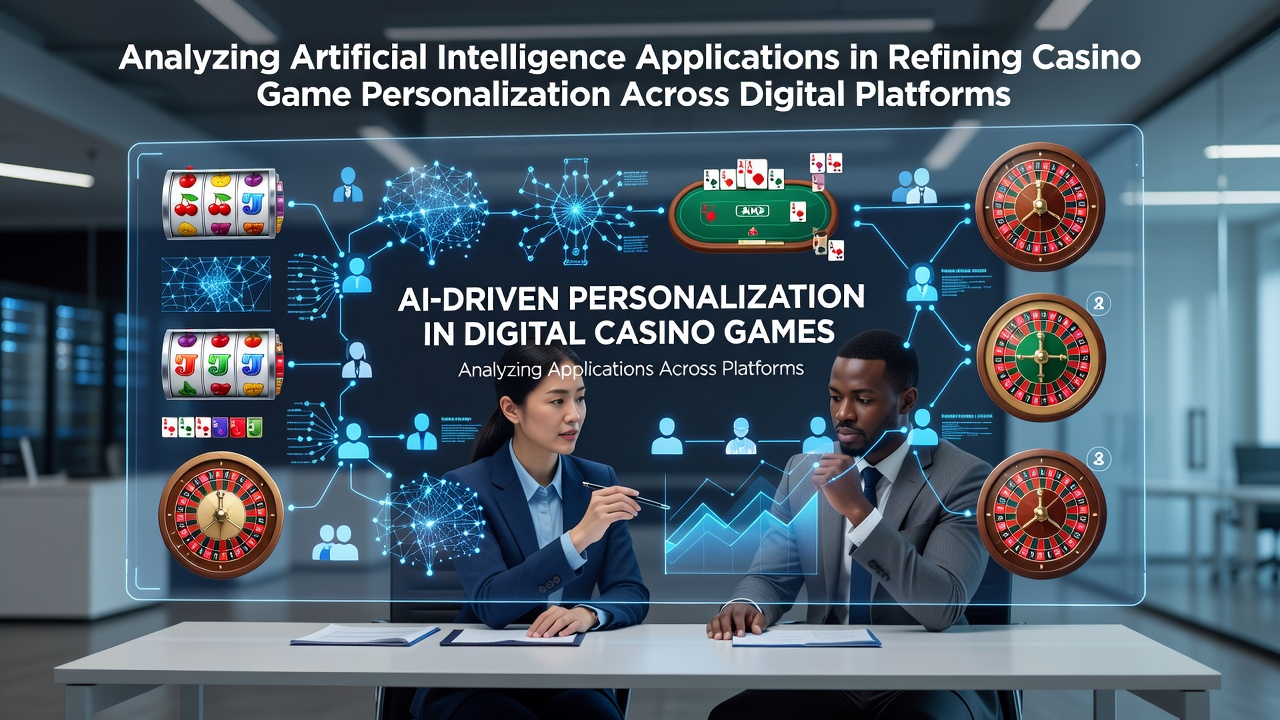
AI Algorithms Reshaping Player Engagement in Modern Online Casino Systems
Artificial intelligence systems now process vast datasets from player interactions across mobile and desktop interfaces, and these tools adjust game suggestions in real time based on individual patterns observed since early 2025. Researchers at several institutions track how machine learning models identify preferences for slot themes, table game limits, and bonus structures, while platforms integrate these insights to refine user journeys without manual intervention from operators.
Data from multiple jurisdictions shows adoption rates climbing steadily, and companies deploy neural networks that analyze session duration, wager sizes, and navigation paths to generate tailored content feeds. Observers note that such applications extend beyond simple recommendations because algorithms also predict when users might switch devices or pause activity, prompting seamless transitions between formats.
Data Processing Foundations in Casino Environments
Modern platforms collect anonymized behavioral signals including click sequences, time spent on specific titles, and response rates to promotional offers, then feed these into supervised learning frameworks that classify player segments. Studies from academic groups indicate that clustering techniques group users by risk tolerance and entertainment style, allowing systems to surface games that align with established profiles while maintaining regulatory compliance across regions.
Processing pipelines handle millions of events daily, and reinforcement learning components test variations in interface layouts or payout structures to optimize engagement metrics reported by operators. Figures reveal that platforms operating in North American markets achieved measurable lifts in retention after deploying these models during the first half of 2026.
Cross-Platform Synchronization Techniques
Developers build unified player profiles that persist across web, app, and smart device environments, so personalization remains consistent whether someone logs in from a laptop or a tablet. Machine vision elements sometimes scan gameplay footage to detect emotional cues through voluntary opt-in camera features, although privacy frameworks in Canada and the European Union require explicit consent before activation.

API connections link backend models to front-end delivery systems, and updates propagate within seconds of new data ingestion. One case documented by industry analysts demonstrated how a single algorithm adjustment reduced drop-off rates during cross-device handoffs in August 2026, when several major operators rolled out enhanced synchronization protocols simultaneously.
Regulatory and Ethical Considerations Across Jurisdictions
Government bodies such as the Nevada Gaming Control Board require transparency reports on algorithmic decision-making, and similar standards appear in Australian state regulations that mandate audit trails for personalization engines. Industry organizations including the American Gaming Association publish guidelines that encourage bias testing within training datasets to prevent unintended exclusion of certain demographic groups from recommended content.
Academic papers from research centers in multiple countries examine how these systems balance commercial goals with player protection measures, and results suggest ongoing refinement through iterative feedback loops rather than one-time deployments. External oversight continues to evolve as new applications emerge in live dealer and virtual reality formats.
Future Developments and Integration Patterns
Emerging hybrid models combine large language interfaces with traditional recommendation engines, enabling players to describe desired experiences in natural language while algorithms translate requests into game selections. Reports from Canadian regulatory sources highlight pilot programs testing these conversational layers in controlled environments throughout 2026.
Integration with loyalty programs allows dynamic reward allocation based on predicted lifetime value calculations, and operators report that such features strengthen connections between different game categories without increasing overall spend pressure on users. Continued hardware improvements in edge computing promise faster local processing that reduces latency in personalization responses across global networks.
Conclusion
Artificial intelligence applications in casino personalization continue to advance through iterative data analysis and cross-platform coordination, supported by regulatory frameworks that emphasize accountability and user consent. Evidence from multiple regions documents measurable impacts on engagement metrics while highlighting the importance of sustained oversight to align commercial tools with broader responsible gaming standards.