Artificial Intelligence Reshapes Risk Assessment in Horse Betting Exchanges
Blake Hartmann · Aug 23, 2026

Artificial Intelligence Reshapes Risk Assessment in Horse Betting Exchanges
Artificial intelligence has entered horse betting exchanges through algorithms that process vast datasets on past races, current track conditions, and live betting patterns, allowing operators to evaluate exposure levels with greater precision than manual reviews permitted in earlier decades, while exchanges handle peer-to-peer wagers where risk assessment focuses on balancing liabilities across thousands of simultaneous bets rather than fixed house odds.
Traditional risk models relied on statistical sampling and human oversight teams that reviewed historical performance records and adjusted limits based on observed trends, yet these approaches often lagged behind rapid market shifts during major events such as the Melbourne Cup or Kentucky Derby, whereas AI systems now ingest streaming data from multiple sources including weather sensors, jockey statistics, and social media sentiment indicators to generate updated risk profiles within seconds.
Core Technologies Driving the Shift
Machine learning models form the backbone of these new systems, training on years of exchange transaction logs to identify correlations between bet volumes and potential payout imbalances, and neural networks analyze variables such as horse form ratings alongside real-time liquidity metrics to flag positions that could exceed predefined exposure thresholds. Natural language processing tools scan racing news feeds and forum discussions for emerging information that might influence odds movement, feeding those signals into risk dashboards that alert operators before imbalances widen.
Reinforcement learning components allow the systems to refine their predictions after each race cycle, adjusting parameters based on actual outcomes versus forecasts, which has led exchanges to implement dynamic stake restrictions that tighten automatically when certain combinations of factors align, such as heavy betting on longshots during wet weather conditions at specific tracks.
Applications in Fraud Detection and Liability Control
Exchanges apply AI to monitor account behaviors for signs of coordinated betting activity that might indicate information advantages or manipulation attempts, using clustering algorithms to group accounts by betting timing, stake patterns, and geographic signals. One documented implementation at a major European platform detected irregular activity clusters during a series of French harness races in 2024, prompting temporary account reviews that prevented larger settlement issues after the races concluded.
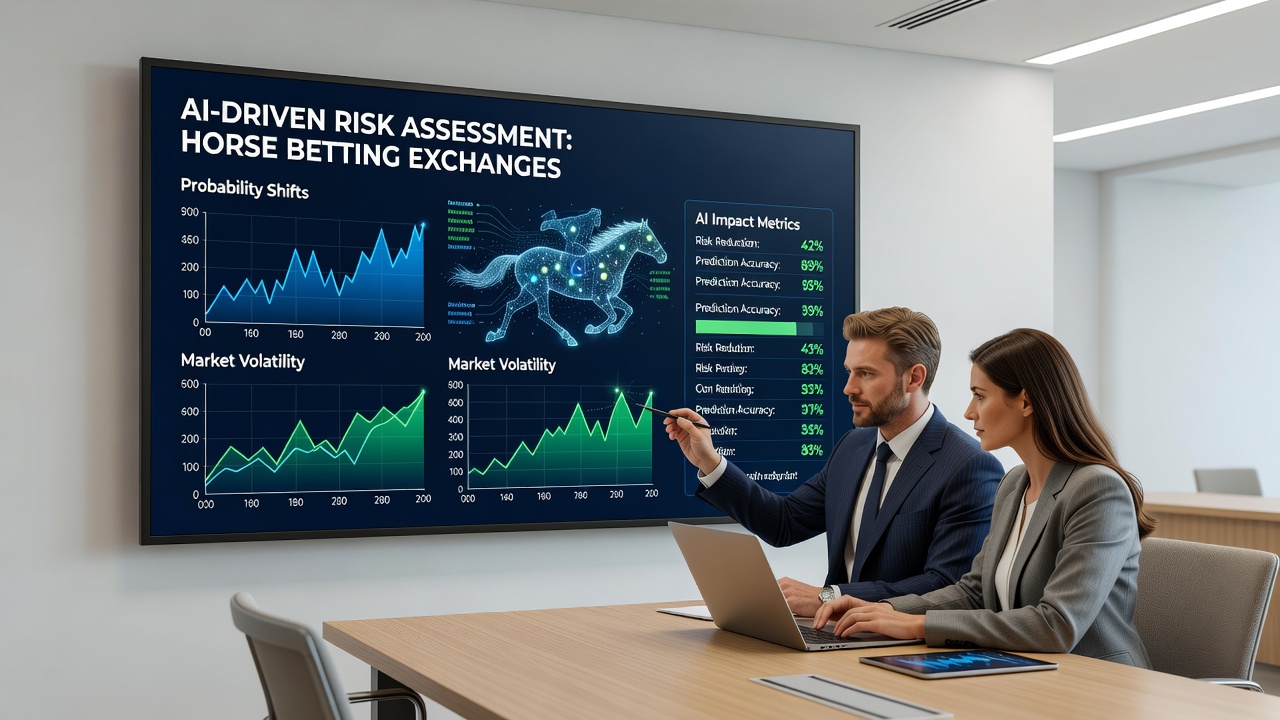
Liability management benefits from predictive simulations that run thousands of outcome scenarios in parallel, calculating the probability distribution of net payouts under various finishing orders, and these simulations incorporate live market depth data so that risk teams can decide whether to lay off positions on secondary markets or adjust available liquidity for certain runners. Data from the Australian Institute of Criminology shows increased adoption of such automated monitoring tools across regional betting platforms between 2023 and 2025.
Regulatory Context and August 2026 Developments
Regulators in several jurisdictions have begun requiring documentation of AI model decision logic for audit purposes, particularly when automated systems influence bet acceptance or account restrictions, while operators must demonstrate that these tools do not create unfair barriers for certain user segments. Discussions scheduled for August 2026 at international racing industry forums will examine standardized testing protocols for AI risk models used in exchange environments, drawing input from both technology providers and racing authorities in North America and Asia.
Canadian provincial gaming bodies have issued guidance encouraging transparency reports on algorithmic risk scoring, and similar frameworks appear in draft form from Singapore's regulatory office, reflecting a broader movement toward verifiable AI governance in gambling technology stacks.
Challenges in Model Accuracy and Data Integration
Accuracy depends heavily on the quality and completeness of input datasets, because incomplete historical records from smaller regional tracks can introduce biases that affect predictions for international exchanges handling cross-border wagers. Integration with legacy trading platforms sometimes requires custom middleware layers that translate between old database formats and modern AI pipelines, adding layers of complexity to deployment timelines.
Observers note that false positive alerts remain an ongoing operational cost, since overly sensitive models may flag legitimate large bets from professional syndicates as potential risks, requiring human review teams to intervene and release holds. Continuous retraining cycles help mitigate drift, yet exchanges must allocate dedicated data science resources to maintain performance as racing conditions and betting behaviors evolve.
Conclusion
The incorporation of artificial intelligence into risk assessment workflows at horse betting exchanges has shifted operations from reactive manual adjustments toward proactive, data-intensive evaluations that process multiple variables simultaneously. Evidence from platform implementations and regulatory filings indicates measurable reductions in settlement delays during high-volume periods, while ongoing developments scheduled for discussion in 2026 point toward further standardization of these tools across different markets. Those who manage exchange platforms continue to balance the efficiency gains against requirements for oversight and model validation.