Blockchain Advances Reshaping Transaction Security in International Wagering Markets
Leon Lang · Jun 21, 2026
Blockchain Advances Reshaping Transaction Security in International Wagering Markets
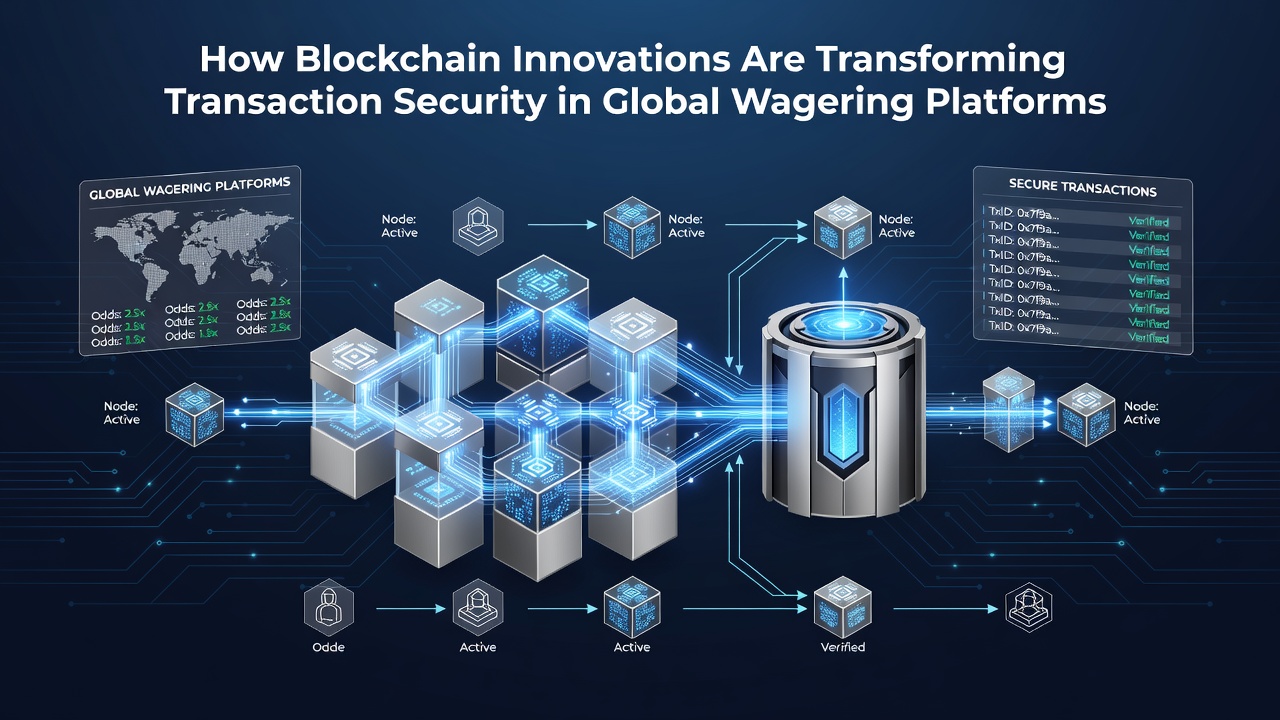
Distributed ledger systems have begun integrating into wagering platforms across multiple continents, and they deliver verifiable transaction records that reduce opportunities for unauthorized alterations. Operators now deploy these systems to handle deposits, withdrawals, and settlements with cryptographic verification at each step, while participants gain access to transparent audit trails without exposing personal financial details. Data from industry reports shows adoption rates climbing steadily through 2025, with projections indicating further expansion by June 2026 as regulatory frameworks in various regions begin to accommodate these technologies.
Core Mechanisms Behind Improved Security
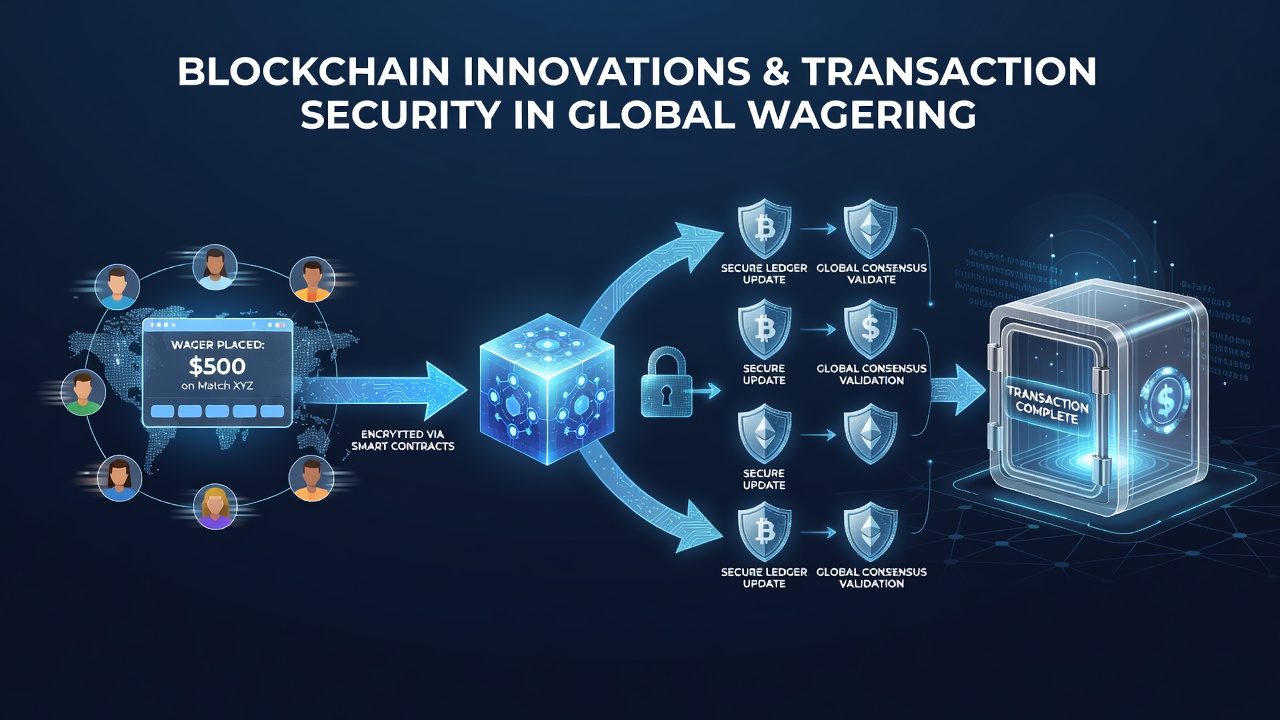
Smart contracts automate payout conditions once predefined criteria are met, and this process eliminates manual intervention that previously created points of vulnerability. Cryptographic hashing links each block sequentially, so any attempt to modify a past transaction requires simultaneous changes across the entire chain, a task that demands computational resources beyond most individual actors. Platforms utilizing permissioned networks further restrict node participation to verified entities, which maintains performance while preserving the integrity checks that public chains provide.
Zero-knowledge proofs allow verification of transaction validity without revealing underlying amounts or account identifiers, and this feature addresses privacy regulations in jurisdictions that limit data sharing. Sidechain implementations offload routine operations from primary ledgers, which reduces congestion and keeps settlement times under a few seconds for most wagers. Observers note that these layered approaches combine the strengths of multiple protocols rather than relying on a single technology stack.
Global Adoption Patterns and Regional Differences
European operators have incorporated blockchain elements into existing licensing structures, whereas North American platforms experiment with hybrid models that blend centralized databases with distributed verification layers. Asian markets show interest in cross-border settlement solutions that bypass traditional banking delays, and Australian regulators have examined pilot programs focused on audit efficiency. Research indicates that platforms operating in multiple jurisdictions often standardize on protocols compatible with the strictest local requirements to avoid fragmentation.
One study from academic researchers at a European university examined transaction logs from several platforms and found measurable declines in disputed payouts after blockchain integration. Another report compiled by an industry association in the Asia-Pacific region highlighted faster reconciliation between operators and payment processors when distributed ledgers replaced legacy clearing systems. These findings align with broader trends documented by international gaming bodies that track technology uptake across licensed markets.
Addressing Fraud and Compliance Challenges
Immutable records make it easier for compliance teams to demonstrate adherence to anti-money laundering rules, because every fund movement carries a timestamp and cryptographic signature that cannot be retroactively edited. Platforms can share selected portions of these records with auditors while keeping sensitive user data encrypted, and this selective transparency satisfies oversight bodies without compromising operational confidentiality. In practice, several large operators now generate automated compliance reports directly from ledger data, which cuts the time previously spent on manual data extraction.
Yet implementation remains uneven, because legacy payment processors in some regions still require traditional bank rails for final settlement. Integration costs also vary depending on whether a platform builds custom nodes or adopts third-party infrastructure, and smaller operators often start with limited-scope deployments before scaling. Data shows that platforms combining blockchain elements with existing security layers achieve faster regulatory approval compared with those attempting full replacement of prior systems.
Looking Toward Mid-2026 Developments
By June 2026 several jurisdictions are expected to finalize technical standards that clarify how distributed ledgers must interface with existing financial reporting requirements. Industry groups continue to test interoperability frameworks that would let different platforms verify transactions across networks without exposing proprietary algorithms. Early results from these tests suggest reduced reconciliation errors and lower operational overhead once standards stabilize.
Training programs for technical staff have expanded accordingly, and certification courses now include modules on ledger architecture alongside traditional cybersecurity topics. Operators who participated in initial pilots report that staff familiarity with these systems shortens troubleshooting cycles when anomalies appear in transaction flows.
Conclusion
Blockchain innovations continue to supply verifiable transaction security across global wagering platforms through cryptographic linking, automated execution, and selective transparency features. Regional differences in adoption reflect varying regulatory priorities, yet the underlying mechanisms remain consistent across implementations. As technical standards mature and integration methods refine, platforms gain additional tools for maintaining record integrity while meeting compliance obligations in multiple markets simultaneously.