Blockchain Technology's Growing Influence on Transparency in Online Gambling
Jordan Schmid · Aug 12, 2026

Blockchain Technology's Growing Influence on Transparency in Online Gambling
Blockchain technology delivers an immutable ledger system that records every transaction and game outcome in online gambling operations, and this structure allows participants to verify results independently without relying on a central authority. Operators who adopt these networks create audit trails that remain accessible yet tamper-proof, while regulators gain tools to monitor compliance across borders. Data from multiple jurisdictions shows adoption rates climbing steadily through 2025 and into August 2026, when several major platforms expanded their use of distributed ledgers for real-time reporting.
How Distributed Ledgers Record Gambling Activity
Every bet placed, payout issued, and random number generated gets timestamped and added to a chain of blocks that cannot be altered retroactively, and this process replaces traditional databases that operators once controlled exclusively. Smart contracts execute payouts automatically once predefined conditions are met, which removes manual intervention points where discrepancies might occur. Researchers at academic institutions have documented how these automated agreements reduce disputes because both players and operators can inspect the same code and data on public explorers.
Provably fair algorithms built on blockchain further expose the random generation process to users, and players can check cryptographic hashes before and after each round to confirm outcomes match the stated probabilities. Several operators now publish these verification tools on their sites, and independent testing firms have examined the underlying code to confirm it matches published standards. Figures from industry reports indicate that sites offering such verification see higher player retention rates compared with those that do not.
Regulatory Oversight and Cross-Border Monitoring
Authorities in regions outside the United Kingdom have begun requiring blockchain-based reporting for licensed operators, and the Alcohol and Gaming Commission of Ontario has piloted systems that pull live transaction data directly from distributed ledgers. Similar initiatives appear in Australian state frameworks, where transaction monitoring helps identify patterns associated with money laundering. These approaches allow regulators to access records without needing repeated requests to individual companies, which shortens investigation timelines.
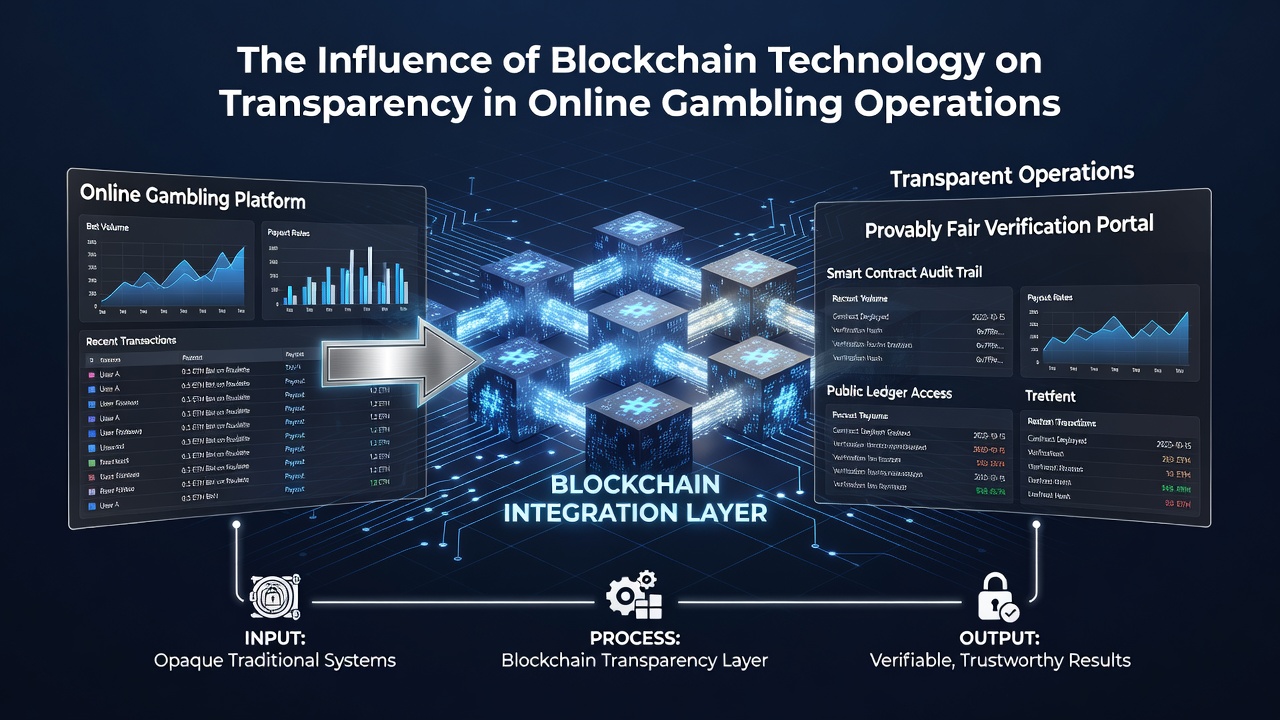
International organizations such as the European Gaming and Betting Association have published position papers on how distributed ledger technology supports compliance with anti-money laundering directives. Their analyses highlight that once transaction data sits on a public chain, it becomes possible to trace fund flows across multiple operators in a single query. This capability proves useful when suspicious activity spans several jurisdictions, and case studies from enforcement agencies demonstrate faster identification of linked accounts.
Player Verification and Fund Security Measures
Identity verification processes that incorporate blockchain allow users to store credentials in digital wallets that operators can check without storing sensitive data themselves, and this reduces the risk of large-scale breaches. Funds held in smart contract escrows remain visible to all parties until game resolution occurs, which prevents operators from accessing player balances outside agreed rules. Studies from university research groups show that platforms using these escrows report fewer complaints about delayed withdrawals.
Yet implementation varies widely, and some networks prioritize speed over full transparency by using permissioned chains rather than fully public ones. Observers note that hybrid models still deliver audit benefits while meeting data protection requirements in regions with strict privacy laws. As of August 2026, multiple software providers have released updated toolkits that let smaller operators integrate these features without building custom infrastructure from scratch.
Challenges in Scaling Transparent Systems
Transaction throughput on some public blockchains remains lower than centralized databases, and peak betting periods can create delays that affect user experience. Developers continue testing layer-two solutions and alternative consensus mechanisms to address these bottlenecks. Energy consumption concerns also surface in discussions about proof-of-work networks, although many gambling platforms have shifted toward proof-of-stake or permissioned alternatives that lower resource demands.
Education remains another factor, since not every player understands how to verify hashes or read smart contract code. Operators that provide simplified interfaces and explanatory guides help bridge this gap, and usage statistics indicate growing engagement with verification tools among regular users. Industry associations continue to develop standardized reporting formats so that data from different chains can be compared more easily during regulatory reviews.
Conclusion
Blockchain systems supply verifiable records that reshape how online gambling operations demonstrate fairness and compliance, and ongoing pilots across multiple continents continue to refine these applications. Regulatory bodies in Canada and Australia provide examples of how direct ledger access can streamline oversight, while academic examinations confirm measurable reductions in certain dispute categories. Continued technical improvements and broader player education will determine the pace at which these methods spread throughout the sector.