Borderless Betting Data Exposes Growth Avenues in Specialized Event Wagering
Vera Flores · May 22, 2026
Borderless Betting Data Exposes Growth Avenues in Specialized Event Wagering
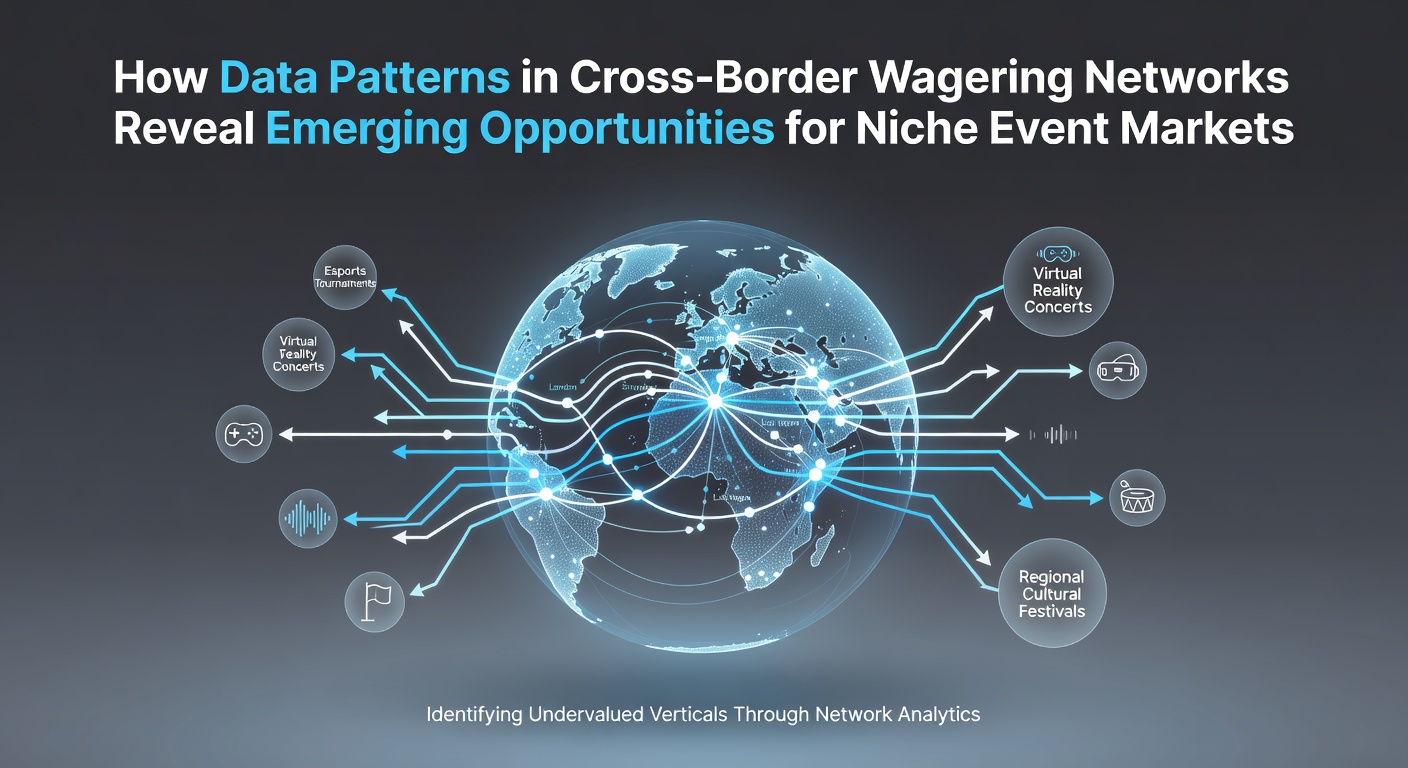
Global wagering networks now generate massive volumes of transaction data that cross multiple jurisdictions each day, and analysts track these patterns to identify emerging niche event markets before they gain mainstream attention. Operators monitor everything from bet volumes on regional cricket leagues in South Asia to specialized motorsport side events in Eastern Europe, and the resulting insights point toward underserved segments where participation rates climb steadily.
Mapping the Flow of Transnational Wager Information
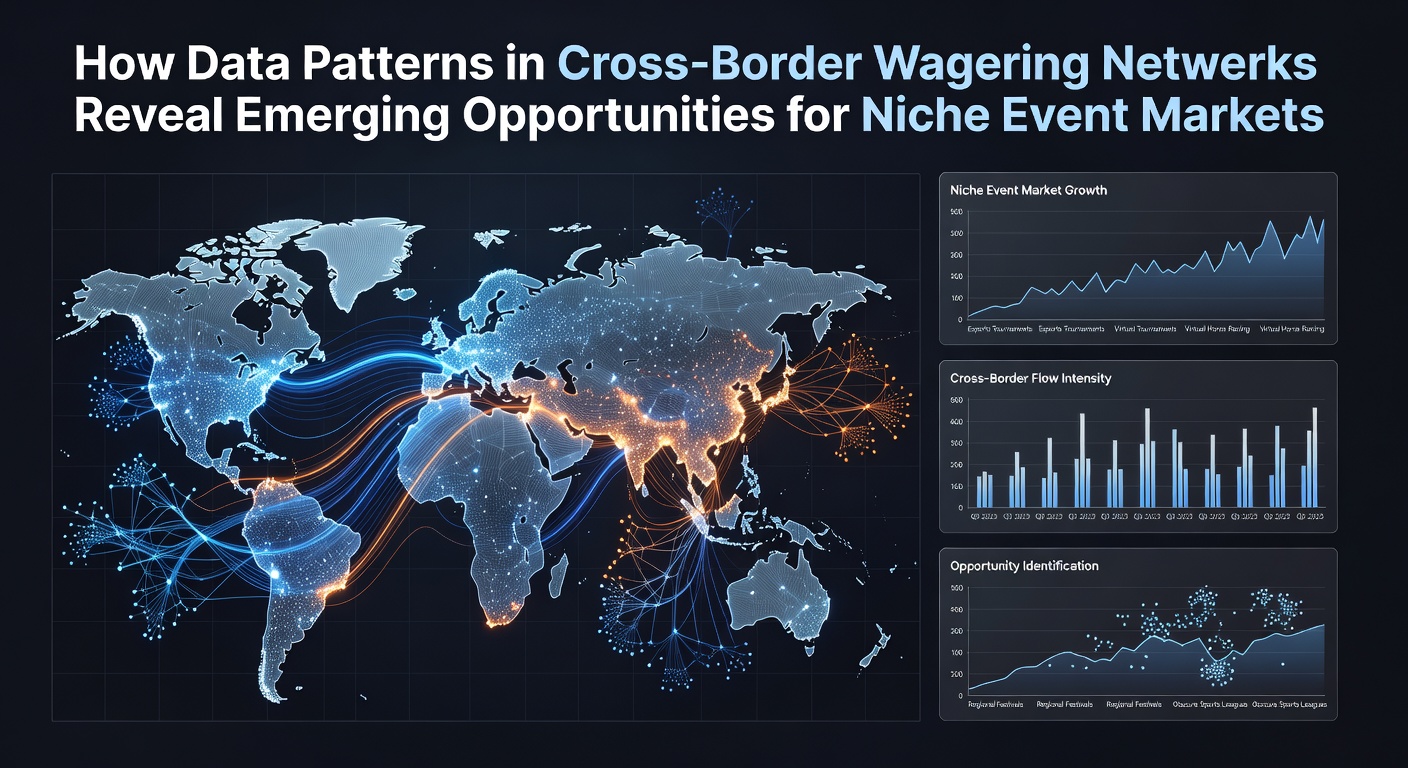
Cross-border platforms aggregate betting activity through centralized ledgers that record timestamps, stake sizes, and geographic origins while complying with varying data protection rules across regions. Researchers at institutions such as the University of Sydney's Gambling Research Unit have documented how these datasets reveal spikes in interest for niche competitions like Asian table tennis circuits or Latin American beach volleyball tournaments. Patterns emerge when volume thresholds are crossed in one market and similar activity surfaces shortly afterward in adjacent territories, suggesting coordinated interest from international bettors.
Data scientists apply clustering algorithms to separate routine activity from anomalous surges, and these methods highlight events that previously escaped notice. For instance, modest increases in wagers on women's curling qualifiers during the 2025-2026 season preceded larger movements into related niche categories such as mixed doubles exhibitions. Observers note that such early signals allow platforms to adjust odds and liquidity ahead of broader market recognition.
Identifying Niche Opportunities Through Pattern Recognition
Specialized markets often develop around events with limited media coverage yet consistent fan bases, and cross-border data makes these pockets visible. A study released by the Canadian Centre on Substance Use and Addiction in early 2026 examined wagering logs from multiple operators and found elevated activity around lesser-known combat sports tournaments in Southeast Asia. The analysis showed that bettors from Europe and North America placed increasing stakes on these matches, creating new liquidity pools that traditional domestic operators had overlooked.
Operators respond by introducing micro-markets on individual set outcomes or player statistics within these events. Patterns indicate that once a niche category reaches a certain transaction density, adjacent opportunities appear in related areas such as youth development leagues or regional exhibition series. This progression has been tracked across time zones, where evening activity in one hemisphere correlates with morning surges in another.
Regulatory and Technological Context in Mid-2026
By May 2026 several jurisdictions outside the United Kingdom had updated their data-sharing frameworks to facilitate responsible monitoring of international wagering flows. Australian authorities, through the Australian Communications and Media Authority, published updated guidelines encouraging operators to report aggregated cross-border metrics without disclosing individual user details. These measures support pattern analysis while maintaining privacy standards, and similar approaches have been discussed in parts of the European Union and select Canadian provinces.
Blockchain-based ledgers adopted by decentralized networks add another layer of verifiable transaction history. Participants in these systems can review immutable records of betting activity across borders, which helps surface consistent interest in events such as drone racing circuits or e-sports training scrimmages. Industry reports from the European Gaming and Betting Association note that transparency features reduce disputes and encourage broader participation in emerging categories.
Practical Applications for Market Expansion
Platforms use these insights to allocate promotional resources toward events showing early momentum. Take one operator that noticed rising cross-border interest in South American futsal youth championships; the company introduced targeted live-stream integrations and saw participation grow over subsequent months. Similar strategies have been applied to niche winter sports qualifiers and regional equestrian events, where data patterns indicated sustained rather than fleeting attention.
What's significant is how these networks differentiate between temporary spikes driven by single high-profile incidents and sustained growth curves that signal genuine market formation. Clustering techniques separate the two, allowing operators to focus on categories with longer-term potential. Data from multiple sources confirms that niche events supported by consistent international wagering volumes tend to maintain liquidity even during broader market fluctuations.
Conclusion
Cross-border wagering data continues to function as an early-warning system for specialized event markets, and the patterns extracted from these networks guide resource allocation across operators worldwide. As regulatory environments evolve and analytical tools improve, the ability to detect and develop these niches becomes more precise. Those who track the flows systematically position themselves to participate in categories that might otherwise remain hidden within larger global betting ecosystems.