Data Reveals Distinct Participation Patterns in Regulated and Unregulated Betting Platforms
Blake Hartmann · Aug 21, 2026
Data Reveals Distinct Participation Patterns in Regulated and Unregulated Betting Platforms
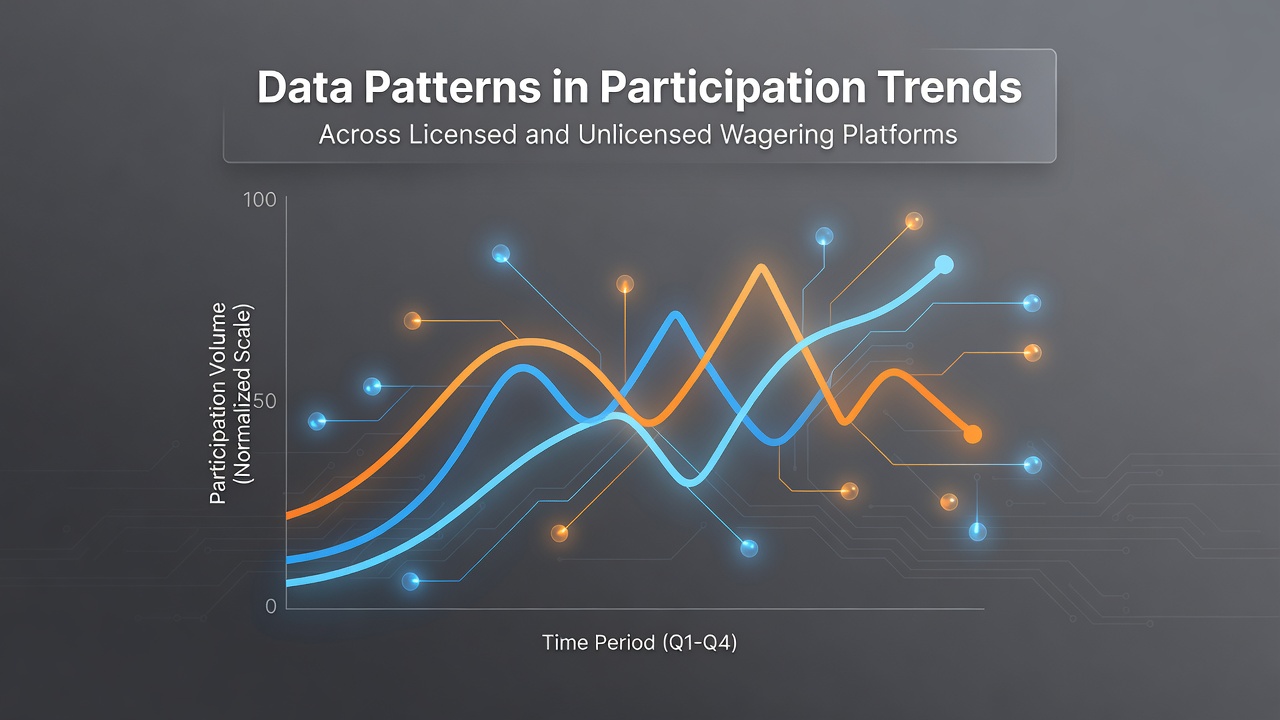
Participation data across wagering platforms continues to show measurable differences between licensed operators and those operating without formal authorization, and researchers tracking these metrics note consistent shifts in user behavior over recent years. Figures compiled from multiple jurisdictions indicate that licensed platforms often attract users who prioritize account verification processes and payment security features, whereas unlicensed sites draw participants seeking fewer restrictions on deposit limits and game variety. Studies released in 2025 by academic institutions in North America and Europe highlight how these preferences translate into distinct engagement curves, with licensed environments recording steadier retention rates during periods of regulatory tightening.
Geographic Variations in Platform Selection
North American markets demonstrate one set of trends where state-level licensing expansions since 2023 have coincided with measurable migration from offshore operators to domestic platforms, and Canadian provincial data from Ontario shows a 28 percent increase in verified accounts on licensed sites between January 2024 and July 2026. Australian regulatory reports, by contrast, document slower movement toward authorized channels in certain territories where enforcement remains inconsistent, allowing unlicensed platforms to maintain higher volumes of short-session activity. European observers have tracked similar patterns through aggregated transaction data, noting that users in countries with centralized licensing frameworks tend to favor platforms that display clear compliance indicators, while those in fragmented regulatory zones continue accessing offshore alternatives at stable rates.
Payment method preferences further separate the two categories, since licensed operators typically integrate banking channels that require identity confirmation, adn this requirement correlates with longer average account lifespans according to transaction analyses from multiple sources. Unlicensed platforms, in comparison, frequently facilitate cryptocurrency transfers and other non-traceable methods that appeal to participants who value anonymity over formal dispute resolution mechanisms.
Session Duration and Frequency Metrics
Session length data collected through industry monitoring tools reveals that unlicensed sites often register higher numbers of brief visits, with many users logging in for under fifteen minutes at a time, whereas licensed platforms see more sustained activity blocks that include multiple game types and repeated deposits within a single session. Researchers at the University of Nevada Reno examined anonymized telemetry from both categories in 2025 and found that frequency of return visits rises on licensed platforms once users complete initial verification steps, suggesting that the friction of onboarding may contribute to longer-term commitment once completed.
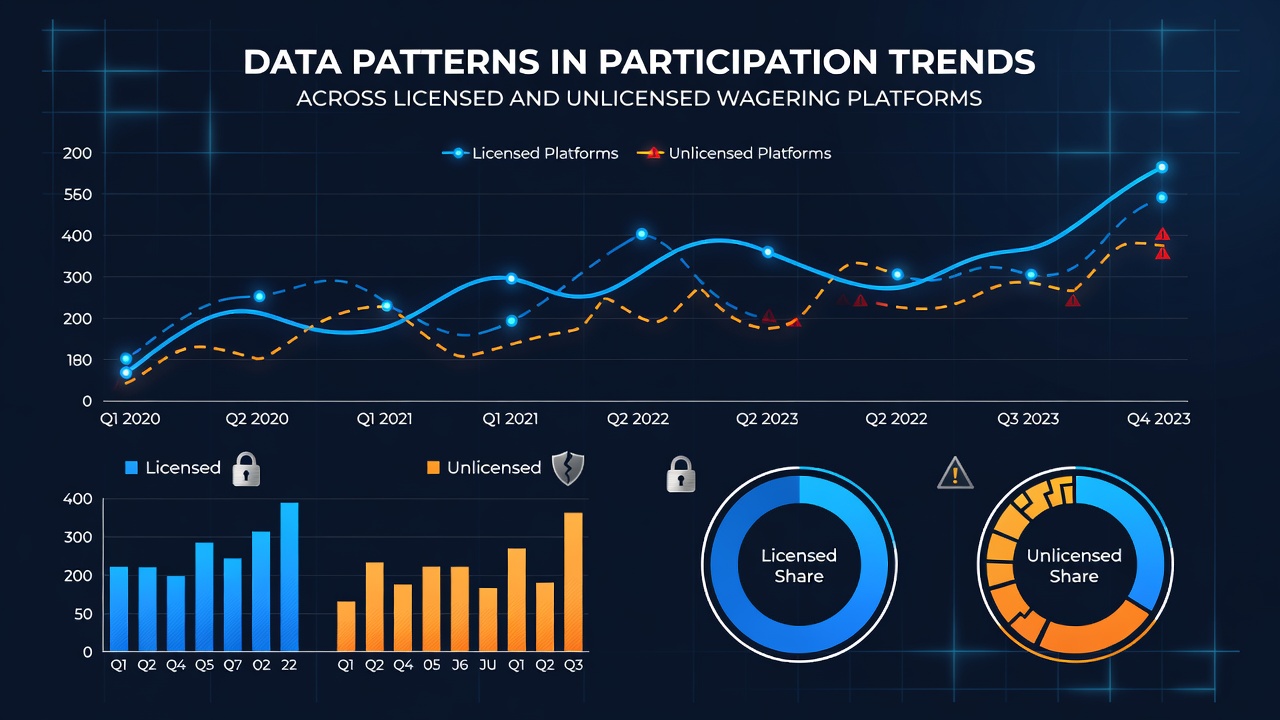
Seasonal fluctuations appear in both segments, yet the amplitude differs, and data from the first half of 2026 shows sharper spikes on licensed platforms during major sporting events in regions where advertising remains permitted. Unlicensed platforms, operating without such promotional constraints, maintain flatter activity curves year-round, though total volume per user tends to remain lower than the peaks recorded on authorized sites during tournament periods.
Demographic Distributions Across Platform Types
Age and income brackets show measurable divergence when participation datasets are segmented by licensing status. Licensed operators report higher proportions of users aged 35 and above in jurisdictions with strict age-gating enforcement, while unlicensed platforms attract a younger cohort that encounters fewer barriers during initial sign-up. Income distribution data, drawn from surveys conducted by independent research groups in Australia and the United States, indicates that higher earners more frequently appear on licensed platforms that offer structured loyalty programs and responsible gambling tools, whereas unlicensed environments capture a broader mix of income levels concentrated around mid-range earners seeking higher payout ratios.
Device usage patterns add another layer of differentiation, since licensed platforms have invested heavily in mobile optimization that aligns with app-store distribution rules, and this investment shows up in higher mobile-to-desktop ratios compared with unlicensed competitors that often rely on browser-based access. August 2026 telemetry from platform analytics firms suggests mobile sessions on licensed sites now exceed 70 percent of total activity in several mature markets, a threshold unlicensed operators have approached more slowly due to distribution limitations.
Conclusion
Comprehensive datasets continue to illustrate that participation trends in licensed and unlicensed wagering environments follow separate trajectories shaped by regulatory frameworks, payment infrastructure, and user priorities around security versus flexibility. Ongoing collection of transaction and engagement metrics across regions will likely refine these observations as licensing regimes evolve through 2027 and beyond.