Digital Payment Advances Fuel Offshore Gambling Market Expansion
Leon Keller · Jul 8, 2026

Digital Payment Advances Fuel Offshore Gambling Market Expansion
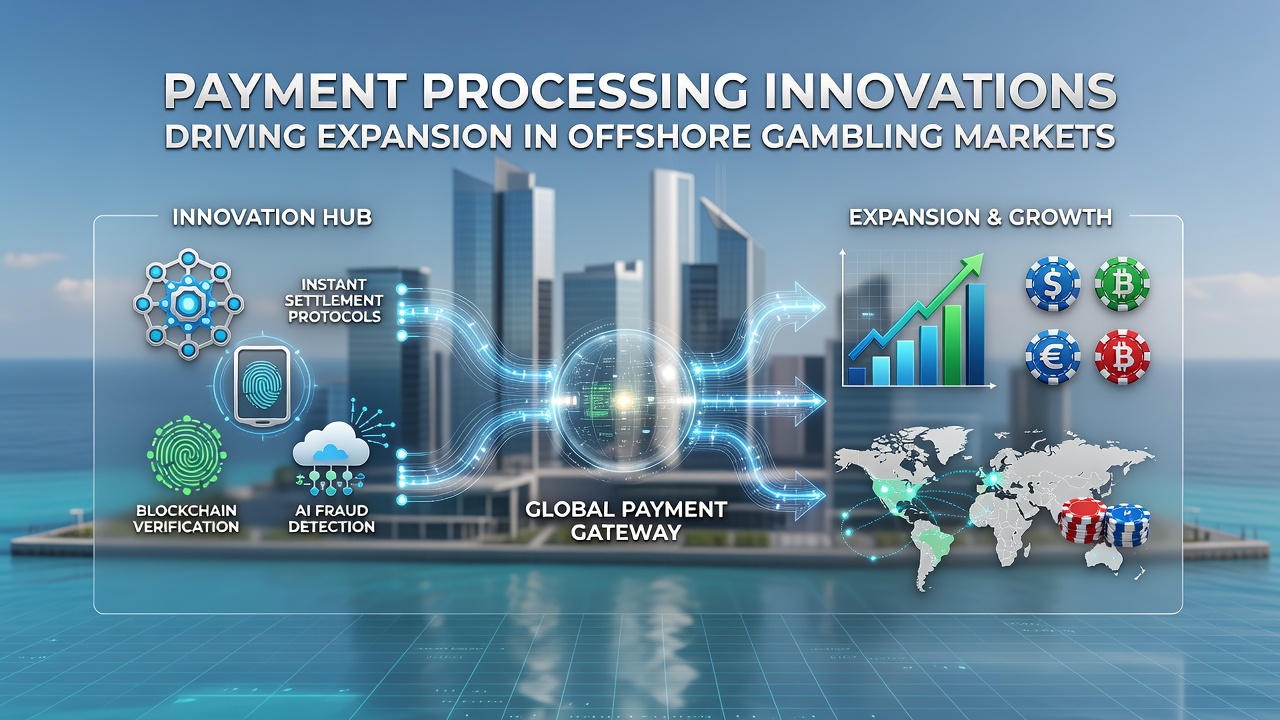
Observers note that transaction technologies have shifted dramatically in recent years, allowing operators in offshore jurisdictions to reach wider audiences despite geographic restrictions and traditional banking hurdles. These systems support instant deposits, cross-border transfers, and alternative currencies that reduce friction for players located in regions with limited access to conventional financial rails. Payment processors now integrate blockchain ledgers and digital wallets at scale, which cuts settlement times from days down to seconds in many cases. Data from industry reports shows transaction volumes in offshore sectors rising steadily through 2025 and into July 2026 as these tools gain adoption.Blockchain Integration and Cryptocurrency Adoption
Operators deploy distributed ledger technology to record bets and payouts without relying on centralized banks that often block gambling-related activity. This approach provides transparent audit trails while shielding user identities through encryption protocols.
Figures from multiple jurisdictions reveal crypto deposits accounting for growing shares of total handle, particularly in markets where local currencies face volatility. Platforms accept stablecoins pegged to major denominations, which stabilizes value during transfers and appeals to players wary of exchange rate swings.
Real-Time Settlement Systems and E-Wallet Expansion
Instant payment networks allow funds to move between player accounts and operator ledgers within moments rather than waiting for batch processing cycles common in older card networks. Providers such as those connected to the Single Euro Payments Area infrastructure extend these capabilities across borders, supporting markets in Europe and beyond.
E-wallets have multiplied options for users in Asia and Latin America, where mobile penetration outpaces traditional banking. Research indicates these methods now handle substantial portions of offshore volume because they bypass intermediary banks that enforce gambling prohibitions.
Regulatory Navigation Through Payment Innovation
Offshore platforms leverage specialized processors licensed in multiple territories to maintain compliance where direct bank links would trigger blocks. According to analyses from the European Gaming and Betting Association, such layered approaches help operators sustain operations while adapting to evolving rules in source countries.
Tokenization of payment data further reduces exposure during transfers, satisfying security requirements from oversight bodies in places like the Isle of Man and Gibraltar. These techniques encrypt card details at the point of entry so merchants never store full numbers, lowering breach risks that historically led to account freezes.
Market Data and Geographic Reach
Statistics compiled by research firms tracking iGaming show offshore markets expanding at double-digit rates in several regions through mid-2026. Growth correlates directly with availability of low-friction payment rails that serve players previously excluded by high minimum deposits or slow withdrawals.
One documented pattern involves Latin American bettors shifting toward mobile-first wallets after processors partnered with local telecom billing systems. Similar patterns appear in parts of Africa where mobile money services integrate directly with gambling apps, bypassing cash-heavy economies.
Security Enhancements Supporting Scale
Advanced fraud detection layers now combine machine learning with real-time payment monitoring to flag suspicious patterns before funds settle. This capability proves essential as transaction counts rise and operators handle larger player bases across time zones.
Multi-factor authentication tied to biometric checks on mobile devices adds another verification tier without slowing legitimate activity. Reports from academic studies on financial technology in gaming confirm these measures cut chargeback rates while preserving conversion from deposit to active play.
Conclusion
Payment processing innovations continue reshaping access to offshore gambling by streamlining transfers, incorporating decentralized currencies, and meeting security benchmarks across jurisdictions. Observers tracking these developments through July 2026 see sustained infrastructure investments that align processing speed with growing international demand. Data from trade groups and regulatory filings indicate the pattern will persist as more regions adopt compatible systems.