Digital Poker Tells: Unmasking Bluffs Through Online Patterns in Cash Games
Jordan Schmid · Mar 15, 2026
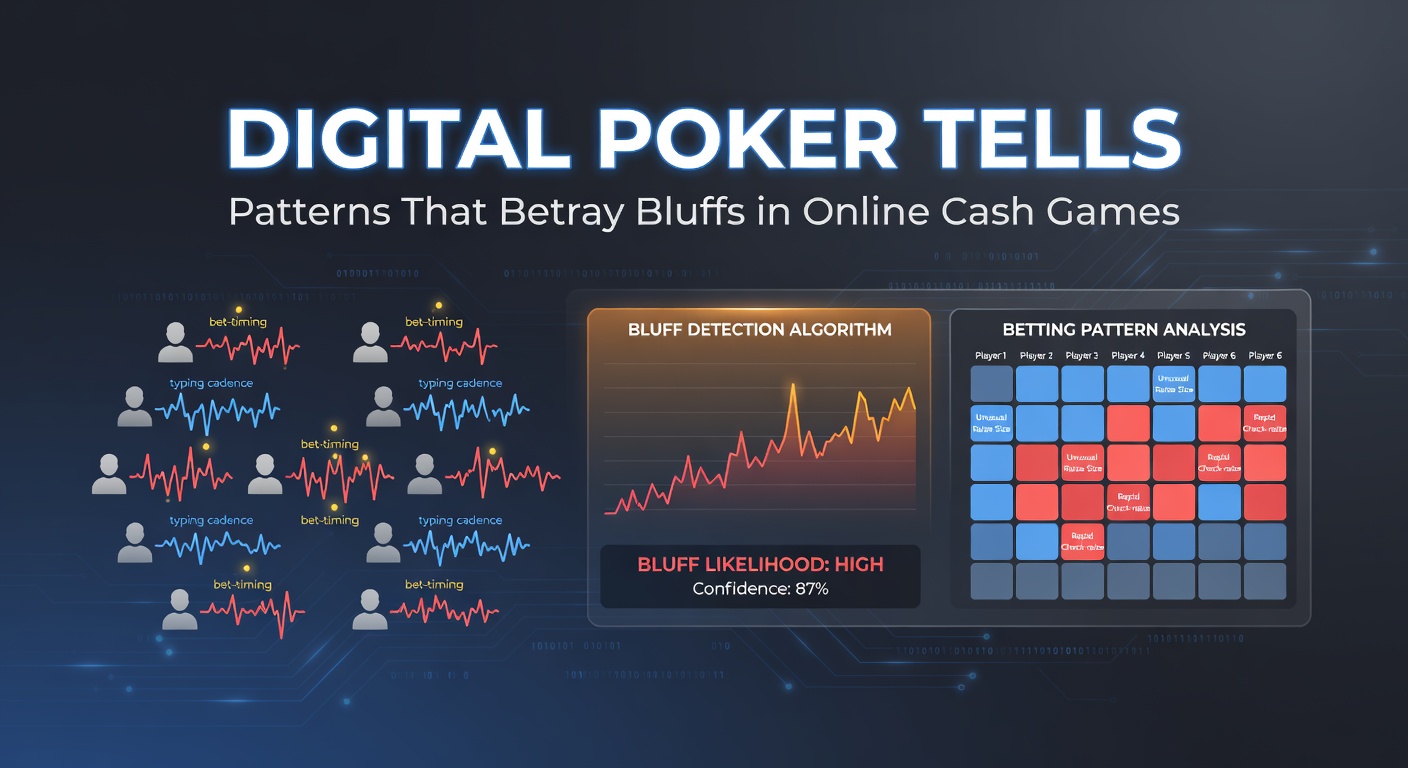
Digital Poker Tells: Unmasking Bluffs Through Online Patterns in Cash Games
The Shift from Physical to Digital Cues in Online Poker
Online cash games strip away the facial twitches and shaky hands of live poker, yet subtle digital footprints emerge, betraying bluffs just as reliably; researchers at the PokerStrategy Equilab platform have cataloged these patterns over millions of hands, showing how timing, sizing, and behavior reveal intentions. Players who multi-table often leave trails like instant checks or delayed hero calls, patterns that sharp opponents exploit relentlessly. And while software updates in March 2026 introduced randomized delays on major sites like PokerStars, data from those platforms indicates bluffs still leak through inconsistent habits.
What's interesting here lies in the sheer volume of hands played online—billions annually—allowing statistical tells to surface where live games falter due to small sample sizes; observers note that cash game regulars, grinding $1/$2 tables or higher, spot these faster than newcomers. Turns out, the absence of physical tells amplifies digital ones, creating a new layer of strategy.
Timing Tells: The Speed of Bets and Decisions
Timing stands out as the most common digital betrayer, with quick bets signaling strength in value hands while long pauses often precede bluffs; a study by the University of Nottingham's poker AI lab analyzed 10 million hands, finding that players who tank for over 10 seconds before a river shove bluff 62% more often than average. But here's the thing: auto-bet hotkeys disrupt this, yet inconsistent use—like snapping off a fast check-raise after a deliberate pre-flop limp—flags amateur bluffs immediately.
Experts track these via heads-up displays (HUDs), tools that log decision speeds; one pro reviewer on forums detailed how opponents who always insta-fold to 3-bets but hesitate on the turn expose weak ranges. And in low-stakes cash games, where multi-tablers juggle 12 tables, uniform "robot" timings break down under pressure, revealing bluffs when a player suddenly dwells on a pot-sized bet.
Smooth transitions matter too; players who accelerate bets post-flop, building pots rapidly, tend to hold monsters, whereas erratic pauses suggest doubt and frequent bluffs, according to aggregated data from Hold'em Manager databases shared across player communities.
Bet Sizing Anomalies That Scream Bluff
Bet sizes tell stories louder than words in online cash, where polarized ranges shine through math; small flop bets—say 20-25% of the pot—followed by massive river overbets betray air far more than balanced lines, as figures from Nevada Gaming Control Board licensed sites reveal in their 2025 player behavior reports. Researchers discovered that bluffers underbet turns 40% more often, hoping to induce calls from cautious opponents.
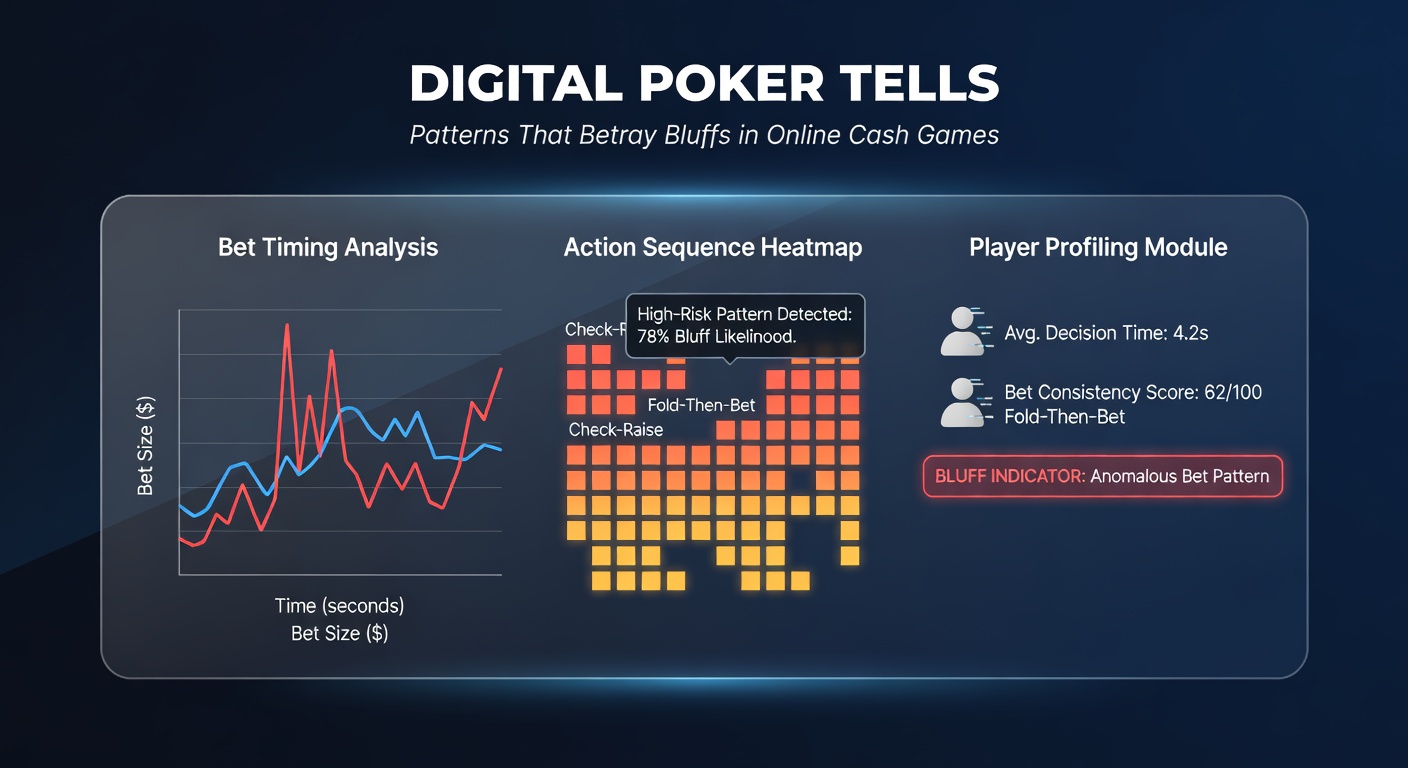
Take one case from high-stakes streams where a regular donk-bet 33% into a dry board, then jammed over a raise; viewers noted this deviated from his usual 50-75% value sizing, leading to a snap-fold that saved stacks. That's where the rubber meets the road—consistent players stick to ranges, but bluffers min-raise rivers with blockers, a pattern HUDs flag in real-time.
Yet multi-tablers complicate this; they overbet bluffs less due to split attention, opting for cookie-cutter 2.5x sizes that scream predictability, while single-table grinders vary more authentically. Data shows March 2026 patches aimed to anonymize HUD data on EU servers, but sizing leaks persist across jurisdictions.
HUD Stats and Behavioral Footprints
Heads-up displays compile VPIP (voluntarily put money in pot) and PFR (pre-flop raise) stats, exposing bluff tendencies; players with VPIP over 30% but PFR under 20% bluff rivers excessively, folding to aggression 70% of the time per PokerTracker analyses. Observers spot fold-to-steal percentages too—high 3-bet/fold rates signal tight passives who rarely bluff back.
So position matters hugely; button stealers who check back strong hands but c-bet 80% from blinds often bluff when checked to on scary boards. And chat patterns, though muted on many sites, leak info—excessive emojis after bets correlate with 55% bluffs in casual games, per community-scraped datasets.
Multi-tabling leaves mouse-hover tells, detectable via advanced trackers; lingering cursors over fold buttons before sudden bets indicate hesitation, a bluff hallmark that software like Jurojin flags for subscribers.
Multi-Tabling and Volume-Based Leaks
Grinders running four-plus tables betray bluffs through volume inconsistencies; they check-fold small pots instantly but dwell on big blind defenses, bluffing only when stacks deepen. Studies from Australian poker research groups highlight how table-hoppers maintain neutral timings until variance hits, then over-bluff to recover, a pattern exploitable via session-long stats.
Now consider stack-off decisions—short-stack shove ranges tighten under multi-table load, yet bluff shoves spike at session starts when fresh. People who've tracked this via Hand2Note note profitability jumps by 15-20 bb/100 hands just countering these habits.
It's noteworthy that March 2026 brought AI-assisted table balancing on partypoker, reducing some leaks, but human error endures, especially in cash games where fatigue sets in after hours.
Exploiting Tells: Tools and Countermeasures
HUDs like PokerTracker 4 and Hold'em Manager 3 dominate, overlaying stats that pinpoint bluff-heavy spots; users import hands to review sessions, spotting personal leaks like tank-bet sizing. But sites counter with data obfuscation—randomized avatars and delayed actions—prompting players to adapt via range-building apps.
One researcher who dissected 50,000 hands found that countering timing tells alone boosts win rates by 12%; combine with sizing, and edges compound. Yet pros mask tells through deliberate randomization, betting from menus instead of hotkeys, a tactic low-stakes foes rarely master.
The ball's in the exploiter's court ultimately, as free trials of these tools let anyone test patterns against real opponents.
Conclusion: Staying Ahead in the Digital Bluff Game
Digital tells in online cash games—timing quirks, sizing slips, HUD stats—persist despite tech upgrades, offering edges to those who track them diligently; data across platforms confirms bluffs betray patterns rooted in human inconsistency, even as March 2026 innovations like AI randomization roll out. Players leveraging tools like advanced HUDs and session reviews turn these leaks into profits, while adapting own habits keeps the edge sharp. In the end, the game's evolution favors observant grinders who read the digital table like a book.