Emerging Technologies Transform Verification in International Gambling Services
Blake Hartmann · Aug 26, 2026
Emerging Technologies Transform Verification in International Gambling Services
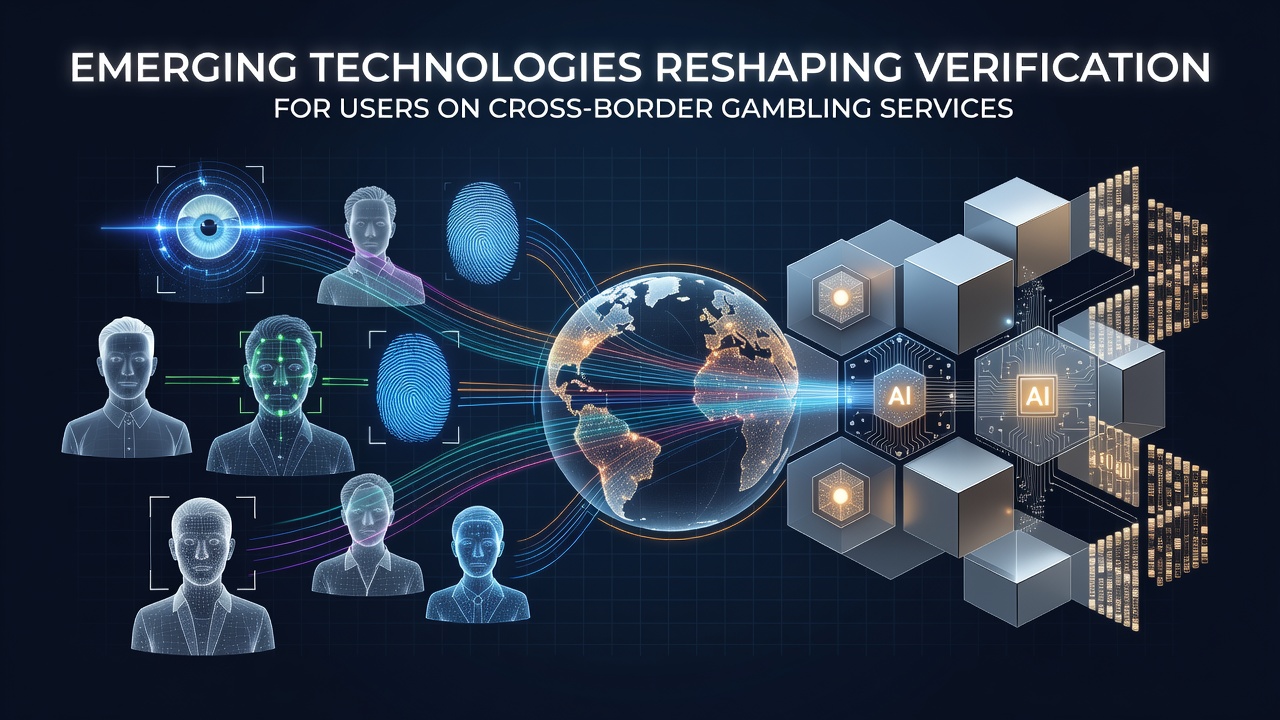
Cross-border gambling services face unique challenges when confirming user identities across multiple jurisdictions, and emerging technologies have started to address these issues through integrated systems that combine data from various sources. Researchers at several institutions have documented how platforms now deploy artificial intelligence alongside blockchain ledgers to create verifiable records that comply with differing national standards, while biometric tools add layers of confirmation that reduce reliance on traditional document uploads alone.
AI-Driven Identity Matching Across Borders
Artificial intelligence systems analyze patterns in user behavior and document authenticity with increasing precision, allowing operators to cross-reference information against global databases in real time. Studies from academic groups indicate that machine learning models trained on diverse datasets can flag inconsistencies in submitted details faster than manual reviews, and this capability proves especially useful when users register from regions with distinct identification formats. Data from industry reports shows adoption rates rising steadily as platforms integrate these tools to handle high volumes of international sign-ups without delays that previously frustrated users.
One study revealed that AI verification reduced false positives in identity checks by significant margins compared to older rule-based systems, and operators have noted smoother compliance processes as a result. What's interesting is how these models adapt to new fraud patterns over time, learning from each verification cycle to improve accuracy across borders where regulations evolve at different paces.
Blockchain for Immutable Record Keeping
Blockchain technology provides tamper-resistant ledgers that store verification events, enabling operators and regulators to audit trails without exposing sensitive personal data. According to findings shared by the European Commission, distributed ledger approaches support cross-jurisdictional data sharing while maintaining privacy standards required by multiple frameworks. Platforms using this method create hashed entries for each confirmation step, so any attempt to alter records becomes immediately detectable.
Observers note that such systems help gambling services meet reporting obligations in places like Australia and parts of North America simultaneously, since the ledger remains accessible yet secure. Figures reveal growing implementation among larger operators handling traffic from several continents, where traditional centralized databases often struggle with synchronization issues.
Biometric and Facial Recognition Integration

Biometric verification has gained traction as an alternative to repeated document submissions, with facial recognition and fingerprint scanning now common on mobile applications serving international users. Research indicates these methods cut down on time spent during onboarding while adding resistance to identity theft attempts that rely on stolen paperwork. Platforms combine these scans with liveness detection to confirm that the person interacting with the system matches the claimed identity in real time.
Those who've examined deployment data point out that biometric tools perform consistently across different lighting conditions and device types, which matters for users accessing services from varied locations. And in August 2026, several major providers plan expanded rollout of these features to align with updated digital identity guidelines emerging from multiple regulatory bodies.
Regulatory Alignment and Data Privacy Considerations
Verification processes must satisfy overlapping rules from different countries, and technology helps bridge gaps by allowing selective data sharing that respects local privacy laws. Reports from Canadian sources highlight how encrypted channels and zero-knowledge proofs let operators demonstrate compliance without transferring full user profiles unnecessarily. This approach reduces risks associated with data breaches while supporting the verification needs of cross-border platforms.
Industry organizations have tracked how these technologies influence approval timelines for new accounts, with evidence suggesting shorter processing periods when automated checks replace sequential manual steps. Yet challenges remain around standardizing biometric data formats so systems in one region can recognize outputs from another without additional translation layers.
Future Directions in Verification Technology
Developments in quantum-resistant encryption and decentralized identity frameworks promise further refinements to current methods, according to analyses from research institutions. Operators continue testing combinations of these tools to handle edge cases such as users with limited access to traditional identification documents. The reality is that cross-border gambling services will likely see continued integration of these technologies as jurisdictions refine their expectations around user confirmation.
Conclusion
Technological shifts have already altered how verification occurs in international gambling environments, creating more efficient pathways that still meet regulatory demands from varied regions. Continued observation of implementation outcomes will show which combinations deliver the strongest balance between security, speed, and user accessibility across borders.