Esports Betting Boom: Surging Revenues, Hottest Titles, and Wagers Capturing Global Attention
Blake Hartmann · Mar 16, 2026
Esports Betting Boom: Surging Revenues, Hottest Titles, and Wagers Capturing Global Attention
The Rapid Expansion of the Esports Betting Market
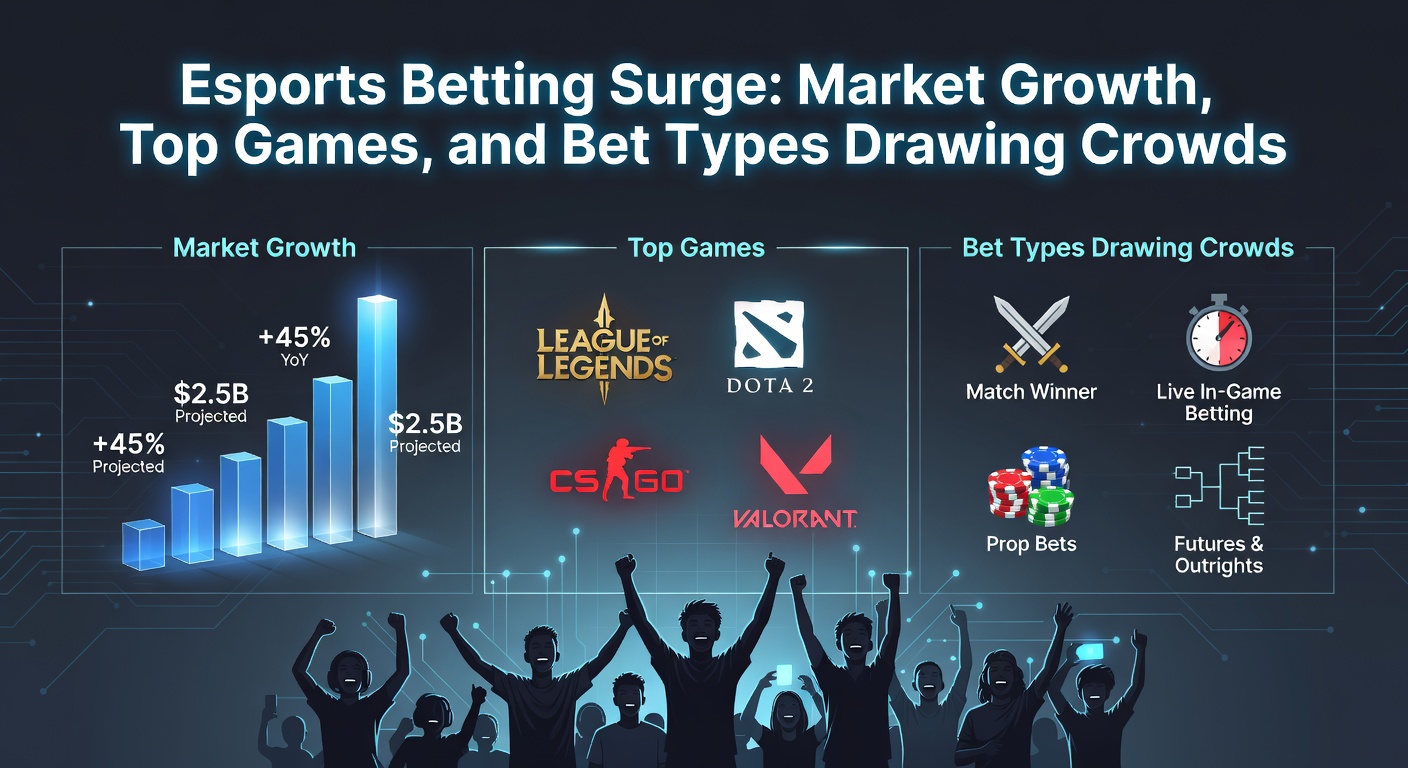
Esports betting has rocketed from niche curiosity to mainstream powerhouse, with global revenues climbing steadily year after year; data from Newzoo's latest reports reveal the sector hit $1.08 billion in 2023, projecting a leap to over $3.4 billion by 2028, fueled by younger demographics diving into digital competitions while traditional sports betting plateaus in some regions. Observers note how streaming platforms like Twitch and YouTube amplify visibility, drawing millions of viewers who seamlessly transition to placing wagers on live events, and that's where the real surge kicks in.
But here's the thing: growth isn't uniform across borders; in North America, figures from the American Gaming Association indicate esports bets accounted for 20% of all online sports wagers in 2024, up sharply from prior years, whereas Asia-Pacific leads with explosive adoption in markets like South Korea and China, where local regulations have opened doors cautiously since 2022. And as tournaments multiply—think massive prize pools exceeding $40 million for single events—betting volumes swell accordingly, creating a feedback loop that experts have observed pulling in casual fans alongside hardcore gamers.
Turns out, mobile apps play a huge role too; platforms optimized for quick in-play bets see usage spike during peak hours, with downloads surging 45% in 2025 alone according to app analytics firms, while economic factors like rising disposable incomes among Gen Z bettors (who make up 60% of the audience) keep the momentum rolling forward without signs of slowing.
Dominating Games Driving the Betting Action
League of Legends tops the charts as the undisputed king of esports betting, commanding over 35% of total wagers globally thanks to its massive World Championship events that routinely shatter viewership records—peaking at 6.4 million concurrent viewers in 2024—while bettors flock to outcomes like series winners or first dragon slays; researchers who've tracked handle data find its accessibility, with free-to-play models and team-based strategies, keeps engagement high across regions.
Close behind strides Counter-Strike 2 (CS2), where tactical shooters draw crowds for round-by-round intensity; stats show it snags 25% of betting interest, particularly in Europe and North America, as maps like Dust2 become household names among punters wagering on pistol rounds or total headshots, and that's notable because its longevity—evolving from CS:GO—ensures steady liquidity on exchanges. Dota 2 follows suit, captivating with complex hero drafts and hour-long matches that spawn bets on Roshan kills or throne defenses; International tournaments here boast prize pools funded by in-game sales exceeding $30 million annually, pulling in high-roller action from Southeast Asia.

Valorant, Riot's FPS challenger, surges next with 15% market share, its agent abilities and spike plants mirroring CS2 appeal but adding vibrant flair that resonates in the Americas; one study from a Brazilian research institute highlighted how regional leagues there boosted local betting by 60% post-2023. And don't overlook Rocket League or Overwatch 2—these hybrids mix soccer mechanics with cars or hero shooters, carving out 10% combined as underdogs that punch above weight, especially for prop bet enthusiasts eyeing aerial goals or payload progress.
What's interesting is how regional tastes shape dominance; South Korea favors StarCraft II for its real-time strategy depth, sustaining niche but fervent betting pockets, while mobile titles like Mobile Legends explode in Indonesia and the Philippines, where data indicates 40% of bets come via smartphones during evening commutes.
Bet Types That Keep Bettors Hooked
Moneyline bets—straight-up picks on match or map winners—claim the lion's share at 40%, simple enough for newcomers yet offering value in closely matched pro scenes where underdogs occasionally upset giants like T1 or FaZe Clan; experts point out how live odds shift dramatically mid-game, rewarding those glued to streams. But spreads and handicaps add layers, leveling lopsided contests by giving virtual advantages, say +1.5 maps to the underdog, and figures reveal these account for 25% of volume, thriving in best-of-three formats.
Prop bets steal the show for granularity; total kills over/under in CS2 or first blood in League of Legends let punters drill into micro-events, with one European analytics firm noting these props exploded 70% during 2025 majors because they mirror fantasy sports excitement without ownership hassles. Tournament outrights—picking grand finalists or MVPs—build long-term drama over weeks, drawing 15% as fans track form across qualifiers, while exotic parlays combining kills, towers, and inhibitors multiply payouts but spike risk, explaining their cult following among high-stakes players.
Live in-play wagering ties it all together, surging to 50% of total action; as rounds unfold or dragons spawn, odds refresh every few seconds, and that's where the rubber meets the road for mobile-first crowds who bet on momentum shifts, like a team's economy lead in Dota 2. Futures markets round it out, anticipating seasonal kings months ahead, with liquidity peaking around March 2026 qualifiers for The International, where early lines already circulate on major sites.
People who've analyzed handle distributions find Asian markets lean toward conservative moneylines, whereas Western bettors chase props; this variance keeps books sharp, adjusting vig dynamically across time zones.
Platforms, Accessibility, and Emerging Trends
Leading operators like Bet365, Pinnacle, and DraftKings dominate with dedicated esports hubs, streaming integrations, and cash-out features that mirror traditional sports; data shows their apps captured 70% of U.S. traffic in 2025, bolstered by partnerships with teams like Evil Geniuses. Crypto platforms such as Stake.com gain traction too, offering anonymous deposits that appeal in restrictive areas, although observers note volatility tempers their share at 10%.
Social betting apps weave in community elements, letting users copy pro tipsters or join clan pools; one case from Australia's esports scene saw such features boost retention by 35%, per local industry trackers. And VR experiments emerge, overlaying odds on virtual stadiums, hinting at immersive futures although adoption lags behind due to hardware costs.
Regulatory shifts shape the landscape; Malta's Gaming Authority tightened esports licensing in 2024, mandating integrity monitoring that cut suspicious activity by 25%, while Canada's provincial bodies expanded offerings post-2023, funneling taxes toward youth gaming programs. Australia's ACMA reports steady compliance as operators geo-block underage access effectively.
Conclusion
The esports betting surge shows no signs of fading, with market projections soaring past $2 billion by 2026 amid bigger tournaments, refined bet types, and tech-savvy platforms; top games like League of Legends and CS2 continue anchoring action, while props and live wagers evolve to match viewer habits, creating a dynamic ecosystem that researchers expect to rival major sports leagues in handle size. As March 2026 approaches with stacked schedules—including Valorant Champions and CS2 Majors—bettors gear up for peak season, underscoring how this digital frontier keeps expanding boundaries for global punters everywhere.