Liquidity Shifts Drive Adaptive Strategies in International Spread Betting Arenas
Leon Lang · Aug 23, 2026
Liquidity Shifts Drive Adaptive Strategies in International Spread Betting Arenas
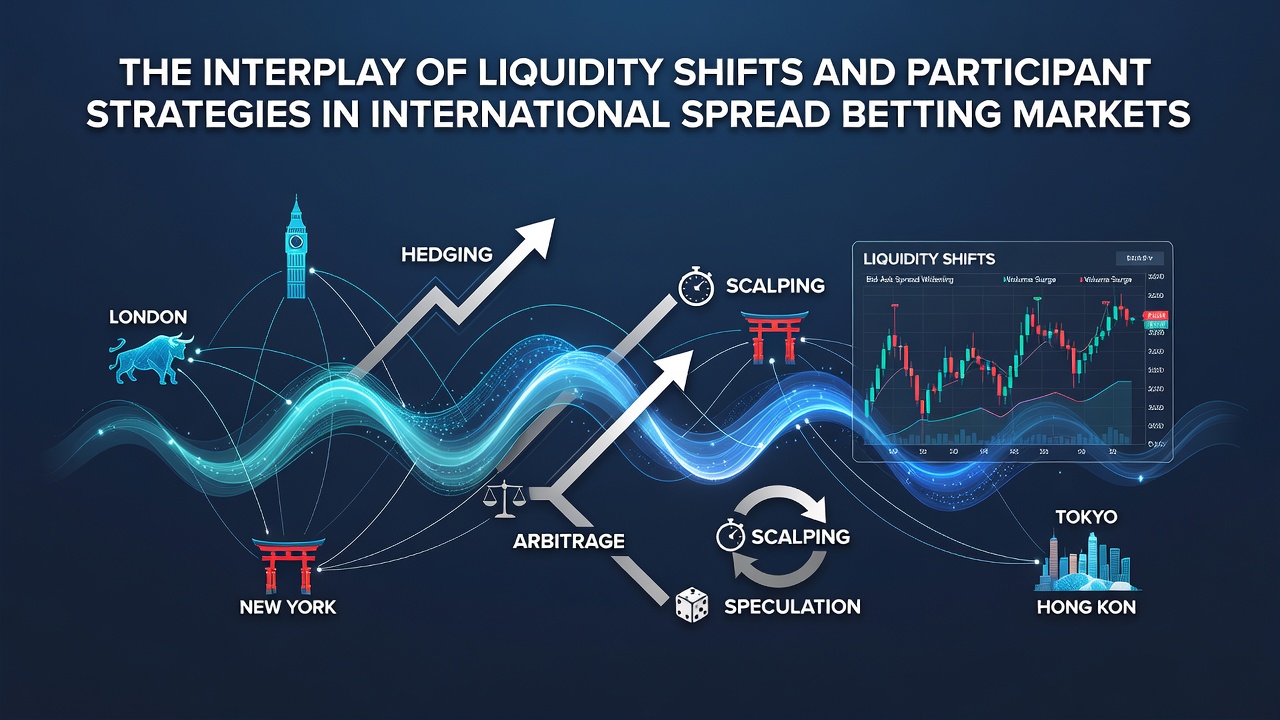
International spread betting markets operate through continuous price quotation systems where participants take positions on asset movements without owning the underlying instruments, and liquidity levels determine how easily orders execute at quoted spreads. Data from regulatory filings show that liquidity fluctuates based on trading volume, time of day, and external events such as economic releases or sporting outcomes, while participants adjust their approaches accordingly. Observers note that thin liquidity periods often coincide with wider spreads and higher slippage risks, prompting traders to modify entry and exit tactics.
Core Mechanisms of Liquidity in Spread Betting
Spread betting platforms maintain two-way prices that reflect aggregated orders from retail and institutional participants, and liquidity depth varies across different contracts including indices, commodities, and sports events. Research indicates that Asian market sessions frequently exhibit higher liquidity in currency-related spreads due to overlapping trading hours with European desks, whereas North American sessions see increased activity in equity index contracts. Those who monitor order books report that sudden liquidity drops occur when major participants withdraw during low-volume windows, forcing remaining traders to recalibrate position sizes to avoid excessive impact costs.
Market makers on these platforms adjust quotes dynamically to balance risk exposure, and evidence from transaction records reveals that automated algorithms now account for a growing share of liquidity provision. Participants respond by employing staggered order placements that test available depth before committing larger volumes, while cross-border arbitrageurs exploit temporary discrepancies between regional platforms.
Factors Triggering Liquidity Movements
Economic announcements, geopolitical developments, and sporting calendars create predictable liquidity surges followed by rapid contractions once initial reactions subside. Figures from industry reports compiled in August 2026 highlighted elevated volumes in European football spreads during major tournament periods, contrasted with thinner conditions in overnight sessions for less liquid commodities. Regulatory shifts in one jurisdiction can redirect participant flows toward platforms in less restrictive regions, altering overall market depth as capital migrates.
Time zone overlaps further influence these patterns, with participants in Australia and Canada often providing counter-liquidity during European off-hours. Studies from academic sources confirm that volatility spikes correlate with liquidity thinning, leading participants to incorporate wider risk buffers into their models rather than relying solely on historical averages.
Strategic Adjustments by Market Participants
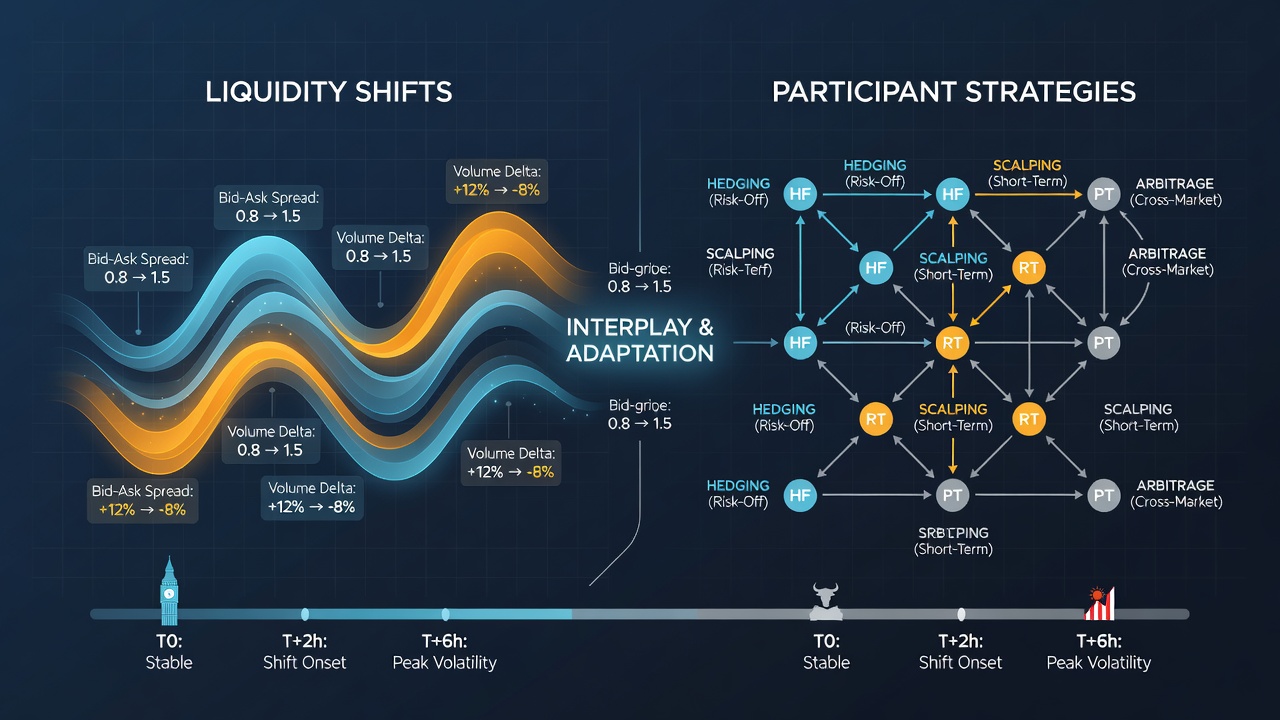
Traders adapt to liquidity shifts through several documented approaches that include scaling position sizes downward during thin periods and utilizing limit orders to capture better execution prices. One documented case involved institutional desks that shifted emphasis toward dark pool equivalents within spread betting environments when public order book depth declined below threshold levels. Retail participants, by comparison, frequently time entries around known liquidity peaks such as market open periods or pre-event windows.
Arbitrage strategies across international platforms require real-time monitoring of liquidity differentials, and data shows that successful operators maintain multiple accounts to access varied quote streams. Hedging techniques gain prominence when liquidity contracts because offsetting positions become harder to establish at favorable terms. Those who study these markets observe that participants increasingly rely on predictive analytics to forecast liquidity troughs and position accordingly ahead of anticipated events.
Regional Variations and Cross-Border Dynamics
European platforms typically demonstrate deeper liquidity in sports-related spreads during domestic league seasons, while Asian operators report stronger volumes in financial indices tied to regional indices. Australian regulatory data released through government channels in 2026 indicated growing cross-border participation that redistributed liquidity away from traditional centers toward emerging hubs. Participants exploit these differences by routing orders to whichever venue currently offers tighter spreads and greater depth for their specific contract.
North American spread betting remains more constrained by jurisdictional rules, resulting in liquidity patterns that differ markedly from offshore alternatives. Research papers from university economics departments illustrate how capital controls and tax regimes further segment liquidity pools, compelling participants to develop jurisdiction-specific tactics rather than applying uniform global strategies.
Conclusion
Liquidity shifts in international spread betting markets continue to shape participant strategies through measurable impacts on execution costs, risk parameters, and opportunity windows. Evidence from transaction analyses and regulatory filings demonstrates that successful navigation requires ongoing adaptation to volume patterns, regional differences, and external catalysts. As platforms evolve their quote mechanisms and participants refine their analytical tools, the interplay between liquidity conditions and strategic responses remains a central feature of these global markets.