Mapping the Money Flow: Blockchain Analytics in Worldwide Wagering Systems
Jordan Schmid · Jun 7, 2026
Mapping the Money Flow: Blockchain Analytics in Worldwide Wagering Systems
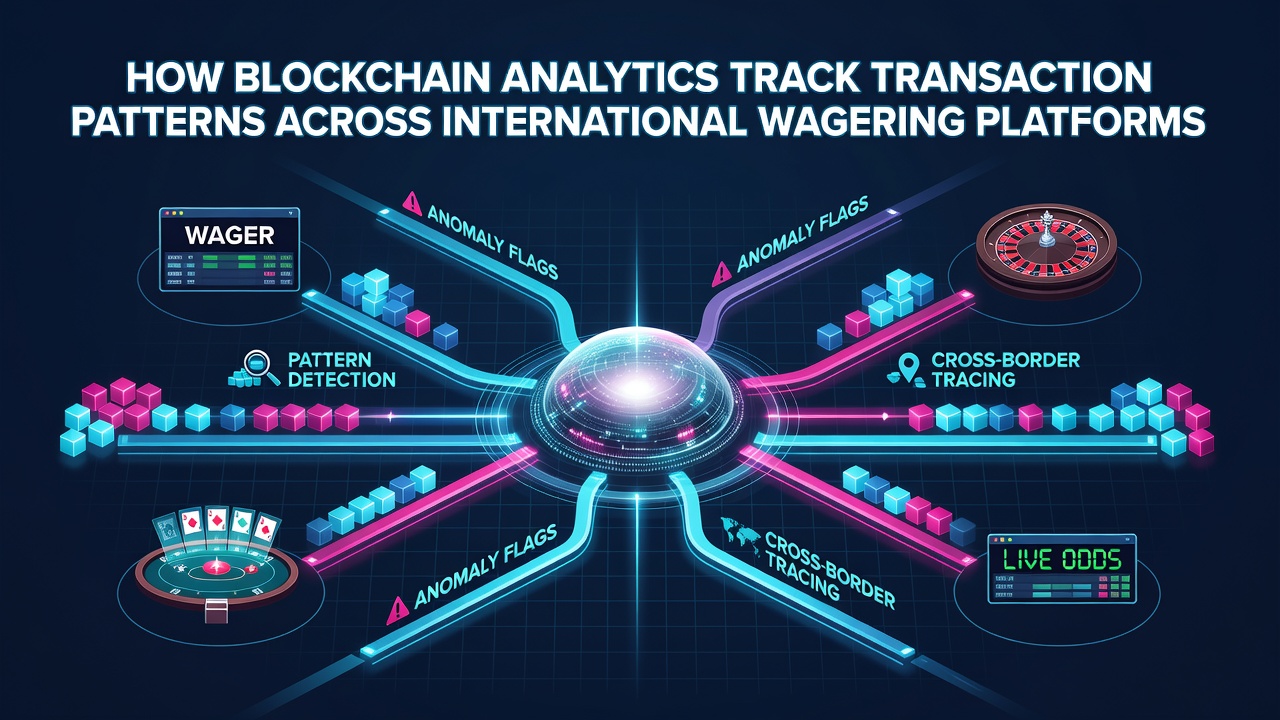
Blockchain analytics has become a core component in monitoring transaction patterns across international wagering platforms that accept cryptocurrency deposits and withdrawals; these tools parse public ledger data to identify clusters of activity linked to betting accounts and flag anomalies that suggest layering or structuring. Platforms operating in multiple jurisdictions often integrate these systems to meet compliance standards while processing high volumes of small transfers that might otherwise evade traditional banking oversight.
Core Mechanisms Behind Transaction Tracing
Public blockchains record every transfer with timestamps, wallet addresses, and amounts, which creates an immutable trail that analytics software examines through clustering algorithms and address attribution techniques. Researchers apply heuristics such as common spending patterns and change address detection to group seemingly unrelated wallets under single entities, and this process reveals how funds move from fiat on-ramps through betting sites and onward to mixers or other exchanges. Data from these analyses shows that many wagering platforms route user deposits via intermediate addresses, yet the underlying graph structure remains visible to firms equipped with sufficient computational resources and historical labeling.
International Regulatory Context and June 2026 Developments
By June 2026 several jurisdictions had updated their virtual asset service provider rules to require enhanced transaction monitoring for gambling operators, and these changes aligned with recommendations issued by the Financial Action Task Force that emphasize risk-based approaches to crypto flows. Observers note that regulators in Singapore and Australia introduced reporting thresholds specifically for betting-related transfers above certain volumes, while Canadian authorities expanded their focus on cross-border wallet interactions tied to offshore platforms. These updates prompted many international wagering operators to adopt blockchain analytics dashboards that generate automated alerts for rapid response to suspicious activity reports.
Pattern Recognition Techniques in Practice
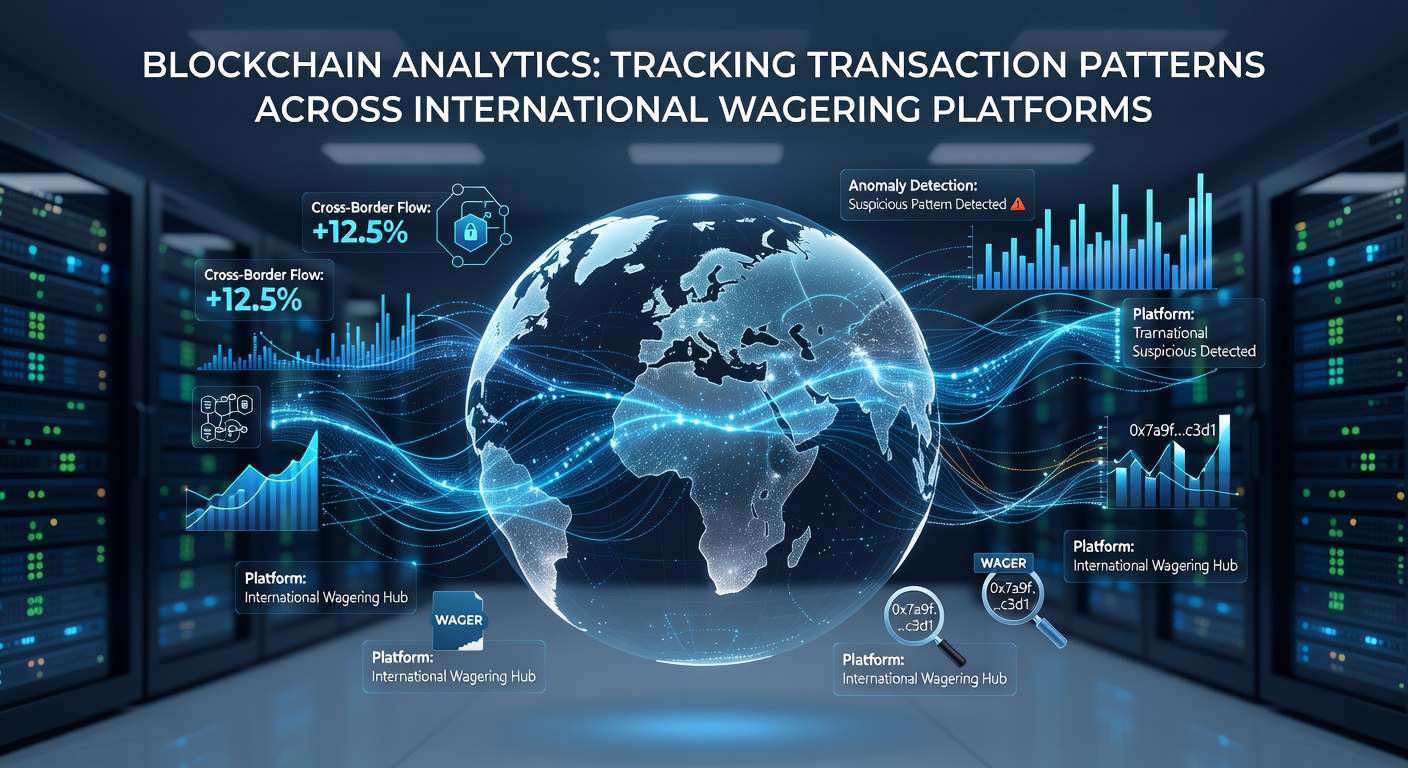
Analytics platforms employ machine learning models trained on known money laundering typologies to detect behaviors such as rapid deposit-withdrawal cycles or repeated small transfers designed to stay below reporting limits. One documented approach involves mapping the flow of funds from regulated exchanges to unlicensed betting sites and then to privacy-focused protocols, and studies conducted by academic teams at European universities have quantified how these chains often span three or more countries within minutes. The resulting visualizations highlight central nodes that serve as aggregation points, allowing compliance teams to request additional customer information or freeze associated accounts when patterns match established risk indicators.
Challenges Across Borders and Technology Limitations
Differences in data protection laws and varying definitions of what constitutes a reportable event create friction when analytics firms attempt to share findings across regions, yet shared industry databases have begun to bridge some gaps by anonymizing certain attributes while preserving linkage data. Privacy coins and tumblers add another layer of complexity because they intentionally obscure direct address relationships, and operators must therefore rely on indirect signals such as timing correlations and amount similarities to maintain visibility. Despite these obstacles, the core public ledger remains an open resource that continues to support forensic work when combined with off-chain intelligence from exchange records and platform logs.
Industry Adoption and Technical Integration
Major analytics providers supply APIs that integrate directly with wagering platform backends, enabling real-time scoring of incoming deposits against risk models updated weekly with new typologies. Trade associations representing online gaming operators have published guidance documents outlining minimum standards for such integrations, and these materials stress the importance of maintaining audit trails that regulators can review during examinations. In practice this means every crypto transaction receives a risk score before funds become available for betting, and scores exceeding internal thresholds trigger manual review queues staffed by compliance personnel trained in blockchain forensics.
Conclusion
Blockchain analytics now forms an essential layer of oversight for international wagering platforms that handle cryptocurrency, supplying the granular visibility needed to identify transaction patterns across borders while supporting compliance with evolving regulatory frameworks. Continued refinement of clustering methods and cross-jurisdictional data sharing will determine how effectively these tools keep pace with both technological shifts in privacy protocols and the expansion of global betting markets into new regions.