Parlay Bets Unpacked: Multi-Leg Wagers That Amplify Wins or Wipeouts in Sports Betting
Blake Hartmann · Apr 8, 2026
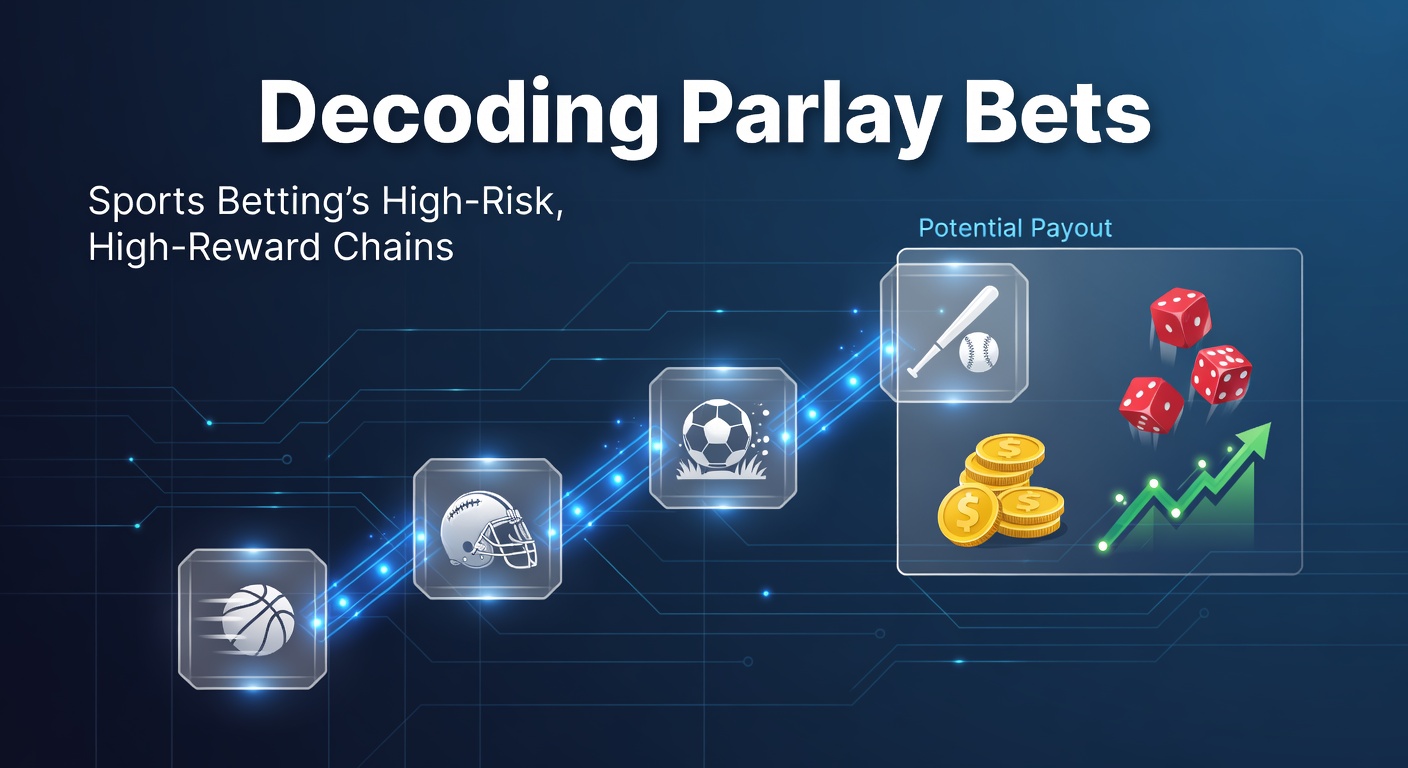
Parlay Bets Unpacked: Multi-Leg Wagers That Amplify Wins or Wipeouts in Sports Betting
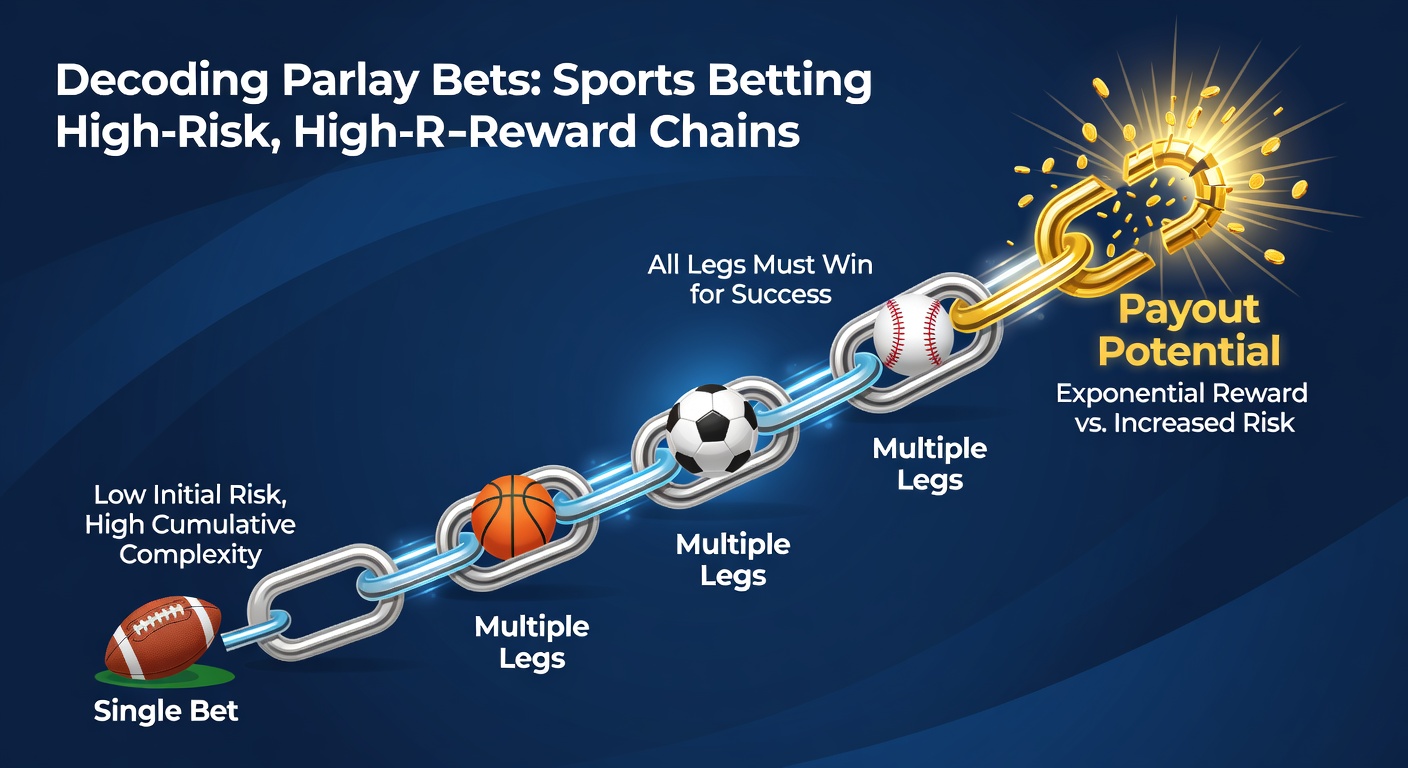
Sports bettors often chase the allure of turning small stakes into massive payouts, and parlay bets deliver exactly that potential; these multi-leg wagers link two or more individual bets into a single ticket, where every selection must win for the bettor to cash in, creating chains of high-stakes dependency that define much of modern sports wagering.
How Parlay Bets Link Individual Wagers into High-Stakes Chains
At their core, parlay bets combine outcomes from separate events—say, a moneyline pick on an NFL game, a spread bet in basketball, and an over/under in soccer—into one unified bet; if even one leg falters, the entire parlay loses, but success across all legs multiplies the odds exponentially, turning modest investments into windfalls.
Bookmakers calculate parlay payouts by converting each leg's American odds to decimal format, multiplying those decimals together, then subtracting one and applying the stake; for instance, three even-money legs (at +100 each) yield roughly 7-1 odds, while mixing favorites and underdogs shifts the payout higher or lower depending on the vig, or bookmaker's edge, baked into each line.
Experts at the Nevada Gaming Control Board track how these structures dominate handle in states like Nevada, where data from 2023 fiscal reports shows parlays accounting for over 25% of total sports betting volume, a figure that climbed as mobile apps made building custom chains effortless.
Common Types of Parlays Beyond the Basics
Straight parlays stick to standard bets like moneylines or spreads, but bettors also build correlated parlays—where outcomes influence each other, such as betting a team to win and exceed the total points—although sportsbooks often limit or void these to protect margins; teasers adjust spreads in exchange for lower payouts, while round robins break a larger parlay into smaller subsets, hedging against single-leg failures.
What's interesting is how same-game parlays exploded post-2021, allowing bettors to chain props from one matchup—like a quarterback's passing yards, a receiver's receptions, and the final score—data from industry trackers reveals these now comprise 40% of bets on major platforms during peak seasons such as NFL playoffs.
The Math Behind Parlay Odds: Why Small Edges Compound into Big Swings
Each leg carries implied probability from its odds, and parlays multiply those probabilities, so a three-leg parlay at -110 odds each (implying about 52.4% win chance per leg) drops the overall hit rate to roughly 14%, yet the payout—around 6-1—tempts players with positive expected value if they spot mispriced lines; researchers at UNLV's Center for Gaming Research analyzed millions of bets, finding skilled bettors outperform on two-leg parlays but fade as legs increase beyond four.
Turns out, the house edge compounds too; bookmakers build 4.5-10% vig per leg, so a five-leg parlay's true odds might require 40% overall hold just to break even, explaining why data indicates only 1-2% of parlay bettors show long-term profitability.
And here's where it gets interesting: live parlays, placed mid-game, add real-time odds shifts, letting bettors chain evolving events like in-play tennis sets or baseball innings, although volatility spikes, with studies showing hit rates under 5% for five-plus legs in dynamic markets.
Real-World Examples: From Routine Wins to Record Jackpots
Take one bettor in 2022 who parlayed three underdog NBA moneylines at +300 combined odds, turning $10 into $3,100 when all hit; contrast that with the infamous 15-leg college football parlay that paid $750,000 on a $5 stake during March Madness, as reported by major sportsbooks—events like these fuel the hype, even as daily grinders lose 95% of multi-leg attempts.
Observers note how props parlays shine in player-focused sports; a golfer's birdie on specific holes chained with a tournament finish netted one punter 500-1 in the Masters, while soccer bettors link clean sheets, goals, and corners for 20-1 boosts during World Cup qualifiers.
Risks and Rewards: Data Reveals Parlay's Double-Edged Appeal
Parlays promise outsized rewards—average payouts 10-20 times higher than singles per Australian Gambling Research Centre reports—but risks compound geometrically; figures show a 10-leg parlay's success odds dip below 0.1%, leading to rapid bankroll depletion for casual players who chase without discipline.
Yet pros leverage parlays sparingly; data from high-volume bettors indicates they cap at two-three legs, targeting +EV (expected value) spots where lines lag true probabilities, often yielding 5-10% ROI over thousands of wagers, whereas recreational bettors' 90% loss rate underscores the trap.
So while April 2026 brings whispers of expanded U.S. state regs tightening parlay promos amid rising handle—projected to hit $20 billion annually per industry forecasts—the format persists, especially in esports where chains of map wins in League of Legends mirror traditional volatility.
Strategies That Bettors Use to Tilt Parlay Odds
- Stick to two-leg combos for 25-30% hit rates, blending favorites with value underdogs.
- Hunt correlated edges cautiously, like team totals with player props, but verify book rules first.
- Employ bankroll rules—risk no more than 1-2% per parlay—to survive variance.
- Shop lines across apps; a half-point difference per leg balloons payouts 20-50%.
- Cash out early on live parlays when 80% of legs lock in, securing partial wins.
People who've crunched the numbers emphasize mixing parlays with singles; one study of 100,000 bets found hybrid approaches cut losses 15% while preserving upside, turning the high-risk chain into a calculated tool rather than a lottery ticket.
Regulatory Shifts and Tech's Role in Parlay Evolution
As mobile betting surges—handle up 30% year-over-year—algorithms now suggest parlays based on user history, boosting engagement but sparking debates; by April 2026, expect more states mirroring Pennsylvania's Gaming Control Board limits on teaser vig, aiming to curb overexposure while parlays remain a staple, projected at 30% of total action.
Blockchain platforms experiment with provably fair parlays in crypto betting, where smart contracts auto-payout chains, although adoption lags at under 5% per global trackers.
Conclusion: Navigating Parlay Chains in a Data-Driven Betting Landscape
Parlay bets chain promise with peril, multiplying modest stakes into potential fortunes while demanding precision across every leg; data underscores their dominance in sports wagering volume, from NFL Sundays to esports arenas, yet longevity favors those who treat them as selective tools amid singles and props.
Researchers observe that understanding the math—compounded probabilities, vig erosion, EV hunts—separates survivors from chasers; as 2026 unfolds with tech integrations and regulatory tweaks, parlays endure as the high-wire act of betting, rewarding the disciplined few who master the links.