Predictive Modeling Redefines Strategies in Global Cross-Border Betting Systems
Vera Flores · Jun 14, 2026
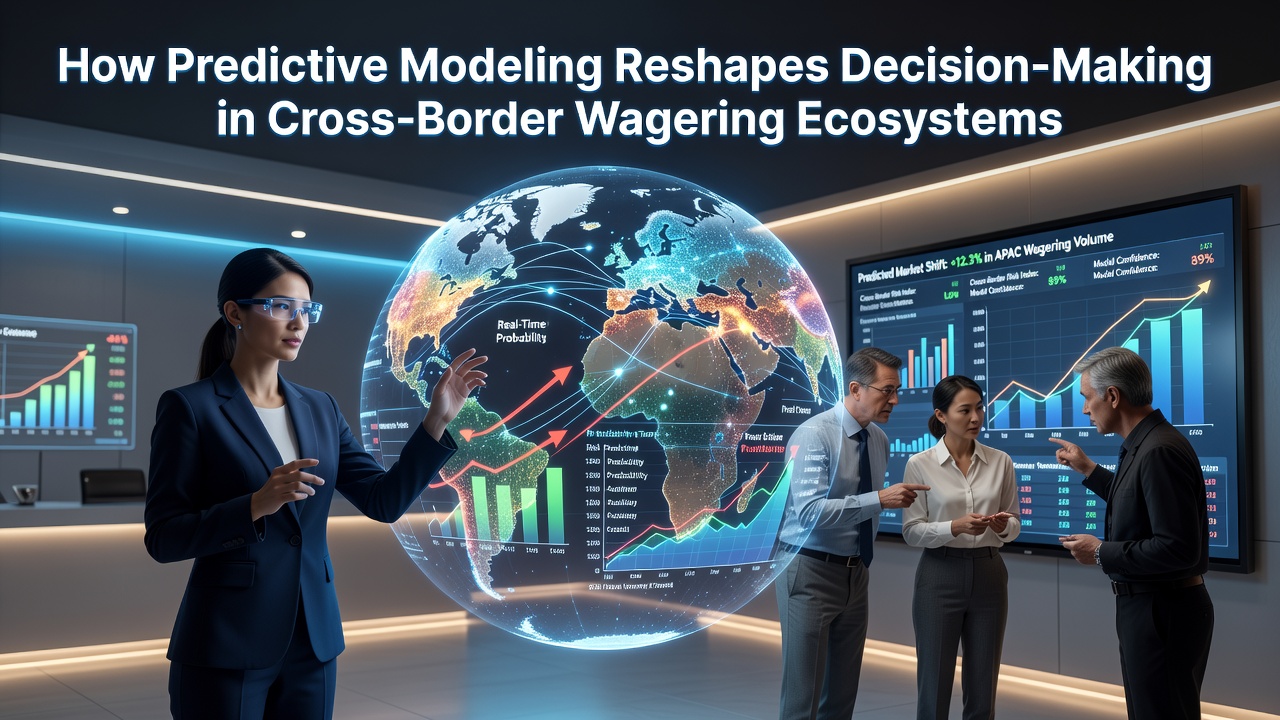
Predictive Modeling Redefines Strategies in Global Cross-Border Betting Systems
Understanding the Core Mechanisms
Operators in transnational wagering environments rely on predictive modeling to process vast datasets from multiple jurisdictions, and these systems integrate variables such as currency fluctuations, regional sporting events, and user behavior patterns across borders, which allows platforms to adjust odds in real time while managing exposure that spans continents.
Researchers at institutions like the University of Nevada Las Vegas have documented how algorithms combine historical performance metrics with live inputs, and this approach produces probability estimates that inform both pricing decisions and risk allocation strategies for bookmakers operating in diverse regulatory landscapes.
Applications Across Jurisdictions
Cross-border operators deploy these models to navigate varying tax structures and licensing requirements, so when a user places a wager from one country while the platform processes funds through another, predictive tools forecast compliance risks and liquidity needs simultaneously.
Industry reports from the Malta Gaming Authority highlight cases where machine learning systems identified irregular betting volumes tied to specific international events, which enabled operators to recalibrate limits before significant imbalances developed.
What's interesting is how these same frameworks support personalized engagement by analyzing player histories across different markets, and they generate tailored promotions that respect local restrictions yet maintain engagement levels that data shows correlate with sustained activity.
Shifts in Operational Decision-Making
Traditional methods relied on static margins and manual oversight, whereas predictive systems now enable dynamic hedging that accounts for correlated risks between events in separate time zones, and this capability reduces the likelihood of large-scale payouts overwhelming reserves.

Figures from academic studies at institutions in Australia reveal that platforms using advanced forecasting cut operational losses by significant percentages during major tournaments, and those improvements stem from models that integrate weather data, team travel schedules, and even social media sentiment indicators from multiple regions.
Decision makers at such firms therefore allocate capital more efficiently because the tools flag potential volatility early, which lets teams rebalance portfolios across currencies and sports without waiting for end-of-day reconciliations.
Regulatory and Technological Context in 2026
As of June 2026, updates to data protection frameworks in several Asian and European markets require operators to demonstrate transparent model logic, and companies have responded by embedding audit trails within their predictive pipelines so regulators can verify that outputs align with stated risk parameters.
Observers note that these requirements have accelerated adoption of explainable AI techniques, which in turn influence how firms structure cross-border data flows to satisfy multiple oversight bodies at once.
Challenges and Adaptation Patterns
Yet data quality issues persist when feeds from different national sources use inconsistent formats, and operators address this through normalization layers that standardize inputs before models run their calculations.
One documented instance involved a platform that unified disparate league statistics from South American and European sources, after which its forecasting accuracy for combined prop bets improved measurably according to internal benchmarks shared in trade publications.
Security concerns around model tampering also drive investment in encryption protocols that protect both training datasets and live inference processes, and these measures help maintain integrity when operations span jurisdictions with varying cybersecurity standards.
Conclusion
Predictive modeling continues to alter how decisions unfold in cross-border wagering ecosystems by supplying granular forecasts that integrate regulatory, financial, and behavioral signals from around the world, and platforms that master these tools gain clearer visibility into exposures that once remained opaque until after settlement.
Evidence from multiple regions indicates sustained refinement of these systems will shape future operational norms as markets evolve.