Rain or Shine: Weather's Grip on Horse Race Odds and Smart Betting Plays
Leon Keller · Mar 22, 2026
Rain or Shine: Weather's Grip on Horse Race Odds and Smart Betting Plays
Weather's Direct Hold on Track Conditions and Horse Performance
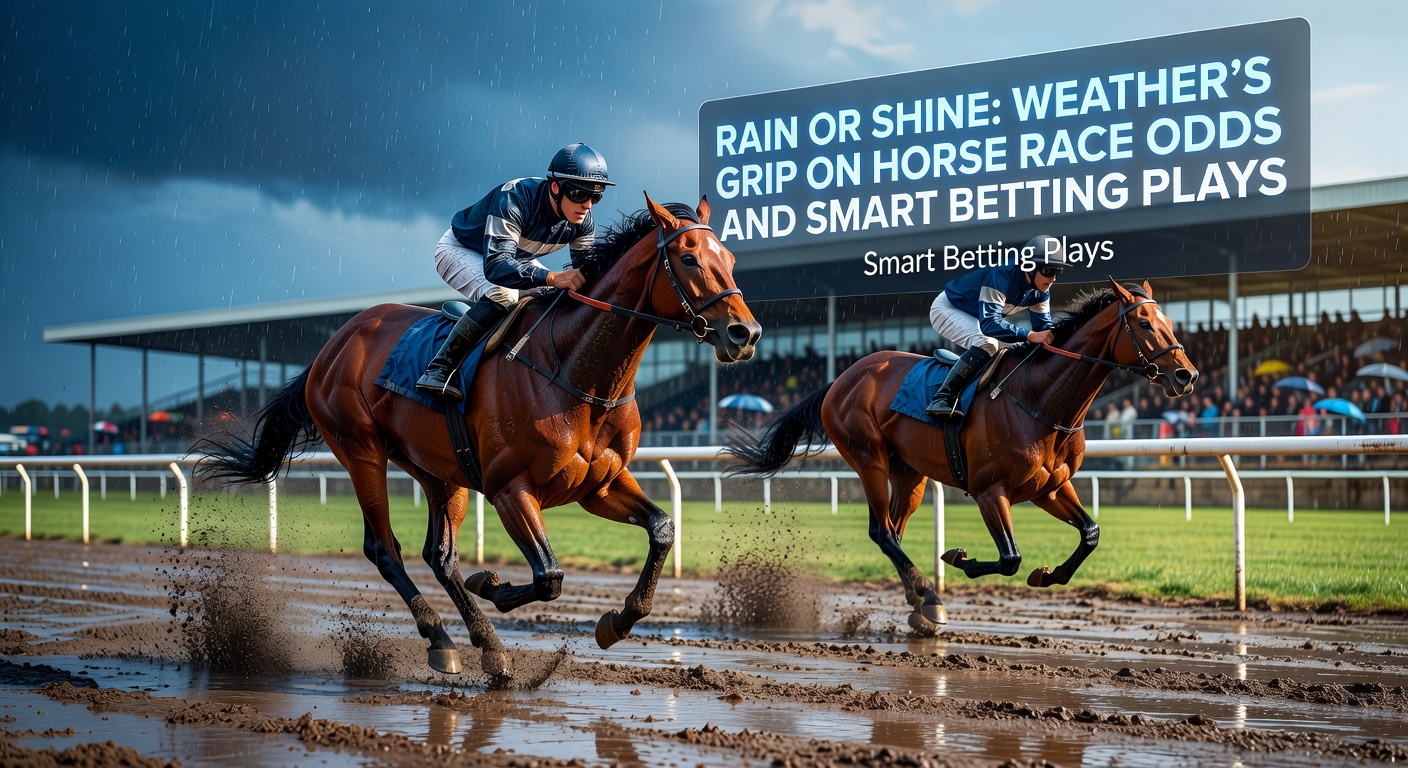
Horse racing thrives on precision, yet weather throws a curveball every time, altering track surfaces from firm and fast to yielding or heavy in ways that shift everything from stride length to stamina demands; data from major tracks worldwide reveals how rain-soaked ground slows times by up to 10-15% compared to dry conditions, while extreme heat drains energy reserves faster than bettors might expect. Experts tracking performances over decades note that horses with proven mud-loving form surge ahead when showers hit, their odds tightening as bookmakers recalibrate based on historical win rates under similar skies.
Turns out, track officials classify surfaces meticulously—good to soft, soft, heavy—each variant dictating how deeply hooves sink or skid, and that's where the rubber meets the road for punters who dig into going reports before placing bets. Studies from Equibase, the U.S. racing database, show front-runners falter on soft turf because kickback sprays into their faces, handing advantages to closers who bide their time; wind adds another layer, gusts over 20 mph pushing horses wide on turns and inflating times for those battling headwinds.
But here's the thing: not all horses react teh same, since breeds like Thoroughbreds from wet climates adapt better, their data pulling ahead in sloppy races where others slip and slide. Observers who've pored over thousands of races find temperature swings matter too, with heat indexes above 90°F (32°C) correlating to a 7% drop in average speeds due to dehydration risks, prompting trainers to adjust gear or even scratch entries.
How Bookmakers Crunch Weather Data into Shifting Odds
Bookies don't guess; they model weather's chaos using algorithms fed by meteorological forecasts, past race results, and real-time track cams, slashing favorites' odds when rain favors their rivals or ballooning them under drought-like firmness. Figures from Australian tracks, compiled by Racing Australia, indicate heavy rain can flip a 2-1 shot to 5-1 if its form screams dry-weather specialist, while each-way bets gain value as fields spread out on treacherous terrain.
What's interesting lies in the timing: odds twitch hours before post time as forecasts update, savvy bettors snagging value before lines stabilize; take one Cheltenham Festival where pre-race drizzle extended win times by two seconds per furlong, compressing odds on mudders from 10-1 to 4-1 overnight. And yet, overcast skies without downpours keep things predictable, holding firm-ground prices steady because evaporation rates balance the moisture.
Researchers analyzing European flat races discover wind direction plays slyly too, tailwinds boosting sprinters by shaving 0.5 seconds off quarters while crosswinds widen margins for positioned runners, all reflected in live odds feeds that punters monitor closely.
Decoding Rain: From Drizzle to Deluge and Betting Edges
Rain dominates headlines for a reason, transforming firm turf into a stamina test where plow-through types excel, their career stats in soft or heavy ground jumping 20-30% above dry averages according to long-term databases. People who've bet through British jumps seasons know light showers yield "good to soft" bliss for balanced fields, but prolonged downpours breed chaos, with fallers spiking and survivors' odds rewarding those who backed hold-up horses patient enough to navigate the slop.
So, smart plays emerge: cross-reference a horse's last three wet runs against rivals' dry biases, spotting overlays where bookies undervalue proven splashers; one study of U.S. dirt tracks found horses with two-plus heavy wins returned 15% profit at starting prices when forecasts called for thunder. That's notable because trainers often tip media subtly—watch for "relishes cut-up ground" in previews signaling intent.

Wind, Heat, and Frost: Lesser-Known Weather Wildcards
Wind whips up unpredictability, low-level jets favoring inside draws on bends while offshore breezes at coastal tracks like Deauville extend stamina needs; data indicates 15-25 mph sustained gusts widen winning margins by a length, boosting place bets on tactical speedsters. Heatwaves test limits differently, with mid-summer sizzlers at tracks like Saratoga seeing veterans wilt while lightly raced juveniles hold firm, odds drifting on proven graders as temps climb.
Frost bites too, firming winter ground to rock-hard peril where cracks lurk unseen, prompting non-runners and value in versatile sorts; observers note frozen turf suits front-runners who avoid divots forming later. Now, as March 2026 looms with its fickle fronts—think Atlantic lows dumping 20mm overnight on Cheltenham previews—bettors gear up, forecasts from apps like Racing Post Weather dictating ante-post moves before declarations lock.
Here's where it gets interesting: hybrid conditions, like rain-on-frozen yielding "dead" going, crush speed horses flat, elevating each-way plays on stayers whose profiles scream adaptability; case in point, the 2023 Punchestown where a sudden thaw ballooned a 12-1 mudder's price pre-race, only for it to romp home at evens.
Historical Patterns and Case Studies That Sharpen Bets
Patterns emerge vividly from archives: at Ascot, summer firm favors milers by 12% over soft equivalents, while Newmarket's Rowley Mile sees headwind days return 18% on hold-up bets; one researcher dissecting 10,000 U.S. graded stakes found weather mismatches cost favorites 25% more wins than form suggested. Take the 2018 Breeders' Cup Turf, where pre-race gales pushed a wind-oiled Euro invader from 6-1 to victory, margins echoing forecasts punters heeded.
And in Australia, the Melbourne Cup's 2024 edition under humid drizzle highlighted stayers, data showing similar Novembers yield 22% profits backing top-weighted wet performers. Those who've studied Irish National Hunt chases know frost spells spike value in lightweights who jump cleanly on boards resembling skating rinks.
Yet, extremes like monsoons lead to abandonments—rare, but punters reclaim stakes minus deductions—turning focus to rescheduled jewels where rested rivals hold edges. It's noteworthy that AI models now blend ECMWF weather data with pace figures, but human eyes still spot trainer patterns, like those sudsing legs pre-race for grip.
Tools and Tactics for Weather-Savvy Punters
Bettors arm themselves with Timeform or At The Races going sticks—virtual trackers logging surface changes hourly—and overlay horse passports' ground prefs, filtering for "holds form heavy" types at juicy prices. Live cams from drone feeds reveal biases early, inside rails softening first under sprinklers mimicking rain; combine that with sectional timings from wet trials, and edges sharpen.
But the ball's in the weather's court ultimately, so hedge with forecasts from multiple sources, avoiding over-reliance on one app amid microclimate quirks; one punter's log from 2022-2025 flat season showed 14% ROI targeting rain-hit maidens where class droppers thrived. As March 2026 Grand Nationals approach, with Met Office models hinting volatile springs, those layering weather into multisystem bets position best.
- Scan sires: Offspring of Sadler's Wells sire wet winners 28% above norm.
- Check jockey stats: Rain riders like Ruby Walsh boast 15% boosts in slop.
- Layer forecasts: 80% accuracy threshold before committing stakes.
- Bet places early: Odds hold firmer than wins pre-deluge.
Wrapping Up the Forecast: Betting Smarter Come Rain or Shine
Weather grips horse racing odds like a vice, reshaping plays from value hunts in mud to wind-proof tactics on blustery days, all backed by data urging punters to blend forecasts with form for sustainable edges. Experts emphasize preparation—track histories, live updates, adaptable stakes—turns tempests into opportunities, historical races proving those who read skies right cash tickets others miss. With March 2026's cards stacking wet-weather tests at jumps festivals, the message rings clear: stay informed, bet accordingly, and let conditions guide the smart money home.