Tracing the Path of Secure Financial Transfers in Worldwide Online Poker Events
Leon Lang · Aug 14, 2026
Tracing the Path of Secure Financial Transfers in Worldwide Online Poker Events
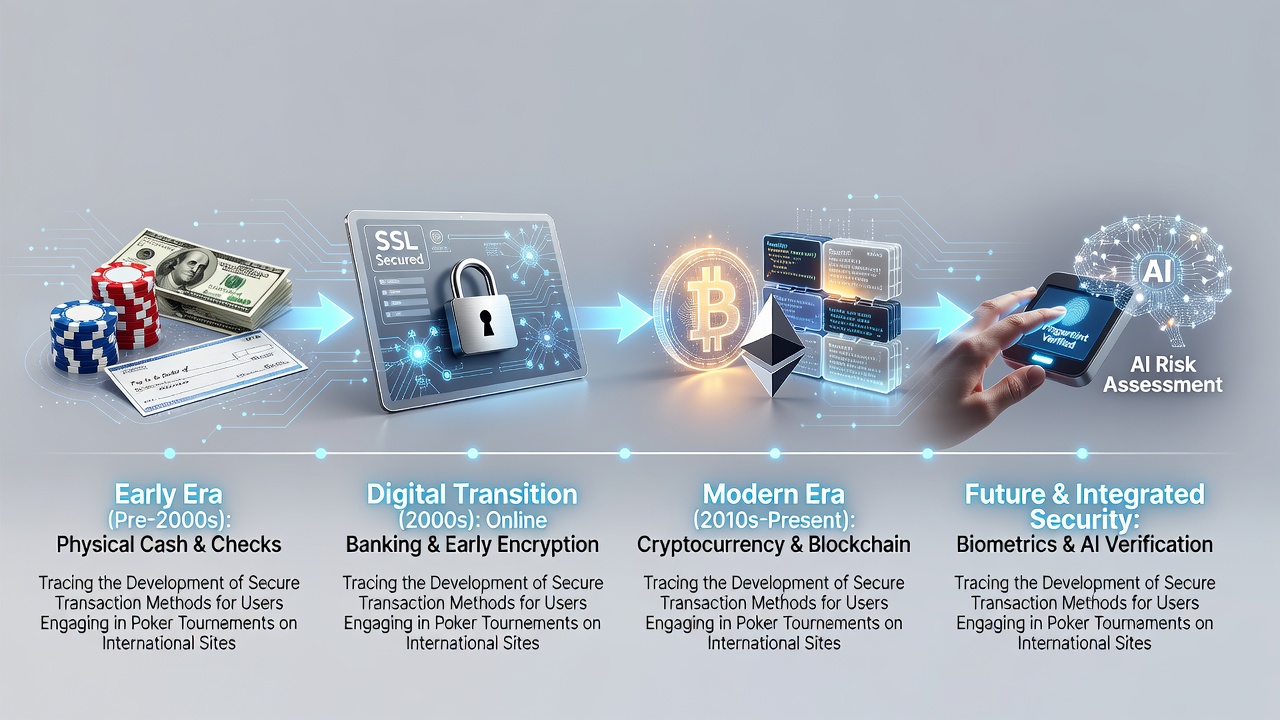
Secure transaction methods for participants in international poker tournaments have advanced through several distinct phases since the emergence of online platforms in the late 1990s, driven by regulatory requirements and technological improvements in data protection.
Initial Approaches to Digital Payments
Early systems relied primarily on credit card processing and basic wire transfers, which exposed users to risks including unauthorized access and fraud during tournament entry fees and prize distributions. Platforms incorporated initial encryption standards such as SSL protocols by the early 2000s, yet these measures often lacked comprehensive compliance frameworks that later became standard across borders.
Payment processors introduced dedicated e-wallets in the mid-2000s, allowing separation of personal banking details from gaming accounts while supporting multi-currency handling essential for cross-border events. Data from industry reports indicate that adoption of these services reduced certain types of chargeback disputes by measurable margins in subsequent years.
Expansion of Regulatory and Technical Standards
International operators aligned with PCI DSS requirements starting around 2006, mandating stricter controls on cardholder information storage and transmission for all tournament-related transactions. This shift coincided with the integration of tokenization techniques that replaced sensitive account numbers with unique identifiers during processing.
Researchers at various academic institutions documented how these standards influenced platform architecture, leading to segmented networks where financial data remained isolated from gaming servers. By 2015, many sites had adopted two-factor authentication layers that required additional verification steps for withdrawals exceeding specific thresholds in major poker events.
Integration of Advanced Technologies
Blockchain-based options entered the landscape around 2017, providing transparent ledger tracking for deposits and payouts in select international tournaments without relying on traditional banking intermediaries. Figures from payment analysis groups reveal increased usage of cryptocurrencies in regions where local banking restrictions affected conventional methods.
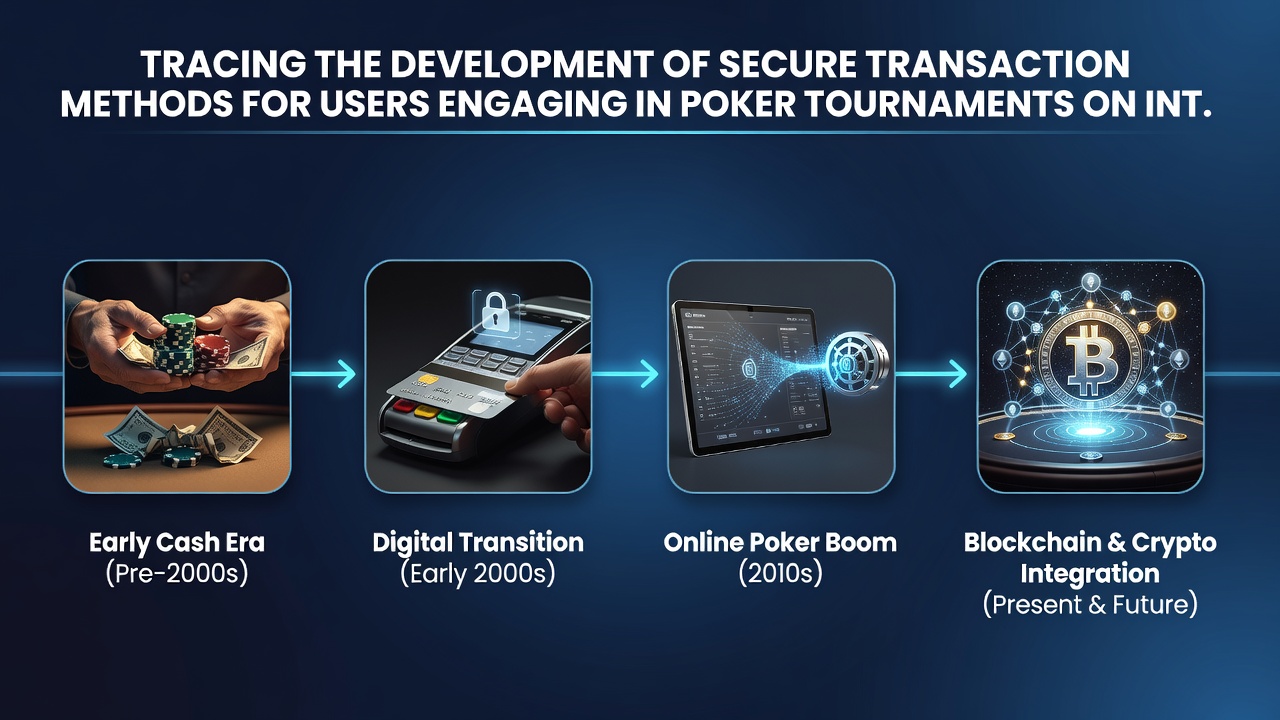
Biometric verification systems gained traction by the early 2020s, combining facial recognition or fingerprint scanning with existing account controls to confirm user identity before large prize transfers. A report from the European Gaming and Betting Association outlines how these tools contributed to lower incidence rates of account takeovers across monitored platforms.
Multi-layered fraud detection algorithms now monitor transaction patterns in real time, flagging anomalies during high-stakes tournament periods such as those scheduled through August 2026. These systems draw on machine learning models trained on historical data from previous international competitions to distinguish legitimate activity from suspicious behavior.
Current Practices Across Regions
Operators serving participants from multiple jurisdictions maintain separate compliance protocols that address varying data protection laws, including those enforced by bodies in North America and the Asia-Pacific area. This approach ensures that transaction security measures remain consistent while accommodating local requirements for record-keeping and audit trails.
Secure API connections between poker platforms and financial partners enable faster verification cycles, reducing delays in prize distributions that once extended over several business days. Industry organizations continue to publish updated guidelines that incorporate emerging threats identified through collaborative threat-sharing initiatives.
Conclusion
The progression of these methods reflects ongoing adaptation to both technological capabilities and cross-border regulatory expectations, resulting in layered defenses that protect user funds throughout the tournament lifecycle from registration to final payouts. Continued monitoring by research entities supports further refinements in these systems as participation volumes grow.